
Spruce's rubber tree
Hevea spruceana
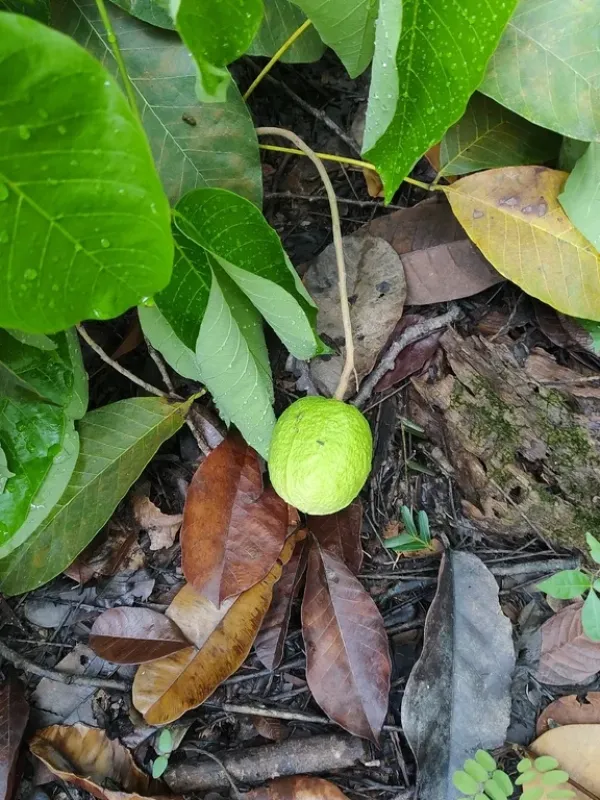
Description
Growing requirements
Spruce's rubber tree (Hevea spruceana) belongs to the Euphorbiaceae family and is an evergreen tree species native to the tropical rainforests of the Amazon basin.
The plant thrives in hot, humid climates with high annual rainfall, requiring stable temperatures throughout the year to maintain its active physiological processes.
Regarding soil conditions, this species requires deep, well-drained, and nutrient-rich soils to support its extensive root system and avoid waterlogging issues.
Effective growth depends on consistent air humidity and protection from severe winds, which can damage the canopy or cause physical stress to young specimens.
While the tree can adapt to various tropical environments, it is primarily managed in agroforestry systems that mimic its natural habitat characteristics.
Yield
The primary economic output of Hevea spruceana is latex, which is collected through controlled tapping of the tree's bark to extract the milky sap.
Tapping cycles are carefully timed to maximize yield while ensuring the longevity of the tree, usually commencing after the tree has reached a specific stem girth.
Although it is often compared to its commercially dominant relative, Hevea brasiliensis, this species serves as a vital genetic resource for plant breeding.
Modern management techniques include precise nutrient application and canopy management to improve the quality and quantity of the latex harvested annually.
Sustainable harvesting practices are essential to prevent damage to the vascular cambium of the tree, which could otherwise reduce its total production potential.
Main diseases and pests
The main threats to the cultivation of Spruce's rubber tree include various fungal pathogens that flourish in the high humidity of tropical regions.
Leaf-spot diseases and bark rots can cause significant damage, leading to decreased vigor and reduced latex output if left unmanaged by agricultural experts.
Pest populations, including borers and leaf-eating insects, represent a persistent challenge for commercial plantations, requiring regular monitoring and control.
Implementing integrated pest management (IPM) strategies is crucial for maintaining the health of the trees and ensuring the sustainability of the agricultural operation.
- Fungal infections affecting leaf tissue and stem integrity.
- Pest-related damage to the conductive vessels of the tree.
- Vulnerability to root rot when soil drainage is insufficient.