
Hevea pauciflora
Hevea pauciflora (Benth.) Müll. Arg.
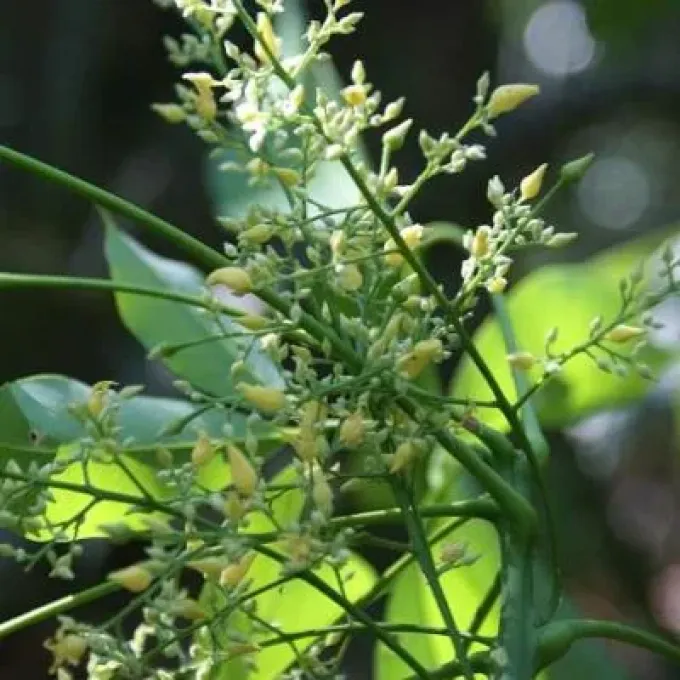
Description
Growing requirements
Hevea pauciflora is a flowering tree species belonging to the Euphorbiaceae family. It is botanically related to the famous Hevea brasiliensis, which is the primary source of natural rubber globally. The species is known for its distinct botanical traits adapted to its native tropical environment.
The plant originates from the tropical rainforests of South America. It thrives in regions characterized by consistently high temperatures and significant rainfall throughout the year, which are essential for its vigorous vegetative growth and development.
In terms of soil requirements, the species demands deep, well-draining alluvial soils that are rich in organic matter. Proper drainage is crucial, as the tree is sensitive to waterlogging, which can cause root decay and negatively impact the tree's overall lifespan and latex production.
The botanical structure of the tree features a dense, sturdy trunk and leathery leaves that are highly efficient in managing water loss. This makes the species resilient to the intense, humid conditions of the South American rainforest canopy.
Economically, Hevea pauciflora is valued primarily as a key resource for genetic research. It serves as a source of germplasm for plant breeders looking to develop new rubber tree varieties that exhibit increased resistance to environmental stressors and pathogens.
Main diseases and pests
Fungal diseases constitute the most significant threat to the cultivation of Hevea pauciflora. In humid conditions, various leaf-spotting fungi can rapidly compromise the health of the foliage, leading to premature leaf drop and reduced photosynthesis.
Insect pests, including wood-boring beetles and various species of mites, pose a risk to the health of the tree bark. Infestations can inhibit the normal flow of sap, which is critical for the tree's health and any potential rubber harvesting.
Nutrient deficiencies can further exacerbate the tree's susceptibility to diseases. Implementing a balanced fertilization schedule is essential to maintain the tree's immune system and ensure robust development in commercial planting sites.
Routine inspection of the planting site is necessary to detect early signs of pest activity or pathogen infection. Managing the spacing between trees helps improve air circulation, which reduces the moisture buildup that often promotes the growth of harmful fungi.
Integrated Pest Management (IPM) strategies, including the use of biological control agents and appropriate chemical interventions, are required to sustain healthy plantations and ensure the longevity of the rubber tree population.