
Hertia pallens
Hertia pallens
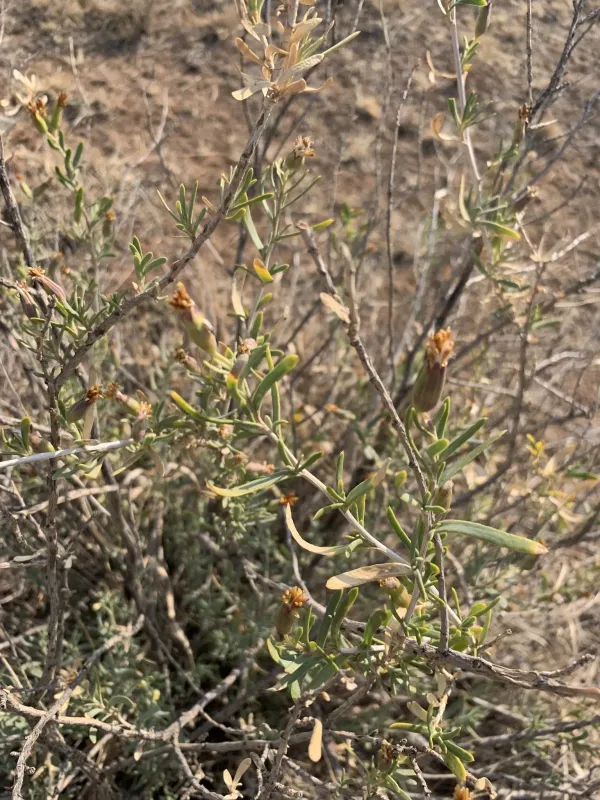
Description
Growing requirements
Hertia pallens is a perennial subshrub belonging to the Asteraceae family. It is a highly specialized plant species endemic to the arid and desert regions of North Africa and the Middle East.
The botanical structure of the plant is adapted to survive with very limited precipitation. It possesses a deep root system and structural modifications that minimize water loss in extreme temperatures.
The species thrives in sandy or rocky soils with excellent drainage. It is highly intolerant of waterlogging, which can cause rapid root decay in this drought-loving plant.
Cultivation requirements include full sun exposure and a dry climate. It is not suitable for high-input agricultural environments but excels in natural arid habitats where other species fail.
Conservation of Hertia pallens is vital for the ecological balance of desert landscapes, as it provides essential ground cover and stabilization against wind erosion.
Yield
The agricultural use of Hertia pallens is largely limited to its function as a browse plant for livestock, particularly camels and small ruminants in semi-arid zones.
The biomass yield is generally low and highly dependent on the erratic rainfall patterns of its native habitat. It does not support commercial harvesting cycles.
Forage value is influenced by the plant's seasonal cycle and the presence of secondary compounds, which are common in many members of the Asteraceae family found in desert zones.
Sustainable management involves rotational grazing practices that ensure the plant can recover after being browsed. Overgrazing is a major threat to its long-term survival in pastoral areas.
Future research may focus on its genetic resilience to extreme drought, exploring potential traits that could be transferred to more productive fodder crops for desert agriculture.