


Reference · Crops
Helipterum
Helipterum
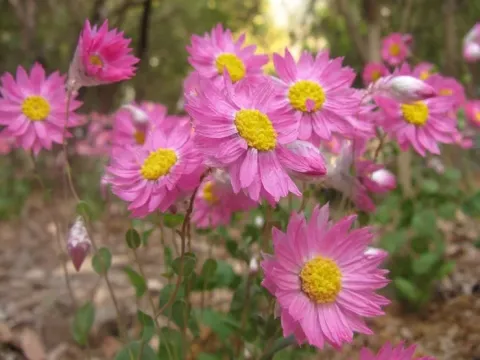
Helipterum is an annual herbaceous plant belonging to the Asteraceae family. To achieve high-quality yields in temperate climates, it is typically grown using the seedling method.
1
items
What the section contains
Marketplace
Products in this section · 1
Helipterum
Sowing should take place in late March or early April. Use a lightweight, sterile potting mix to ensure optimal germination rates and root development.
The seeds are small and should be lightly covered with a thin layer of soil, as light exposure is beneficial for germination. Ensure the soil remains consistently moist during the first two weeks.
Maintain temperatures between 18 and 20 degrees Celsius. Seedlings usually emerge within 10 to 14 days, requiring bright, indirect light to prevent legginess.
Transplanting into the open field should be performed once the risk of frost has passed, usually by late May or early June. Space plants approximately 20-25 cm apart.
Helipterum is a sun-loving plant that thrives in full sun exposures. Selecting a site with at least six to eight hours of direct sunlight is essential for productive flowering.
The plant performs best in light, sandy, or well-drained soils. Avoid heavy clay or waterlogged areas, as they significantly increase the risk of root rot.
Watering should be managed carefully; while regular moisture is needed during the establishment phase, adult plants are quite drought-tolerant.
Fertilization should be kept to a minimum. Excessive nitrogen promotes leafy growth at the expense of flower production and weakens the structural integrity of the stems.
Good air circulation is vital for Helipterum cultivation. Placing the crop in an area with steady airflow helps to reduce humidity and prevents fungal pathogens.
Root rot is the most common threat to Helipterum, especially when grown in poorly drained soils. Improving drainage and soil structure is the best preventative measure.
Aphids can cause damage by colonizing the tender parts of the stems and buds. Early detection and the use of targeted insecticides can manage infestations effectively.
Spider mites might become a problem during hot and dry summer months. Monitoring the undersides of leaves can help in identifying these pests before they spread.
Fungal leaf spots may occur in conditions of high atmospheric humidity or poor ventilation. Removal of affected plants and maintaining hygiene are recommended.
Proper crop rotation is necessary to break the cycle of soil-borne diseases. Avoiding planting Helipterum after other Asteraceae species is a best practice.
Harvesting should occur when the flower buds are partially open but not fully mature. This timing ensures that the flowers retain their shape and color after drying.
Use sharp, clean shears to cut the stems. Harvest should ideally take place mid-morning once all dew has evaporated from the plants.
Group stems into loose bunches and hang them upside down in a cool, dark, and well-ventilated area. This slow-drying process prevents damage to the delicate petals.
Avoid direct sunlight during the drying process to prevent color fading. Properly dried Helipterum maintains its vibrant appearance for several months.
Dried Helipterum is widely used in the floral industry for bouquets, interior decorations, and wreaths. It is a highly valued commercial crop in the dry flower market.