
Helipterum manglesii
Helipterum manglesii
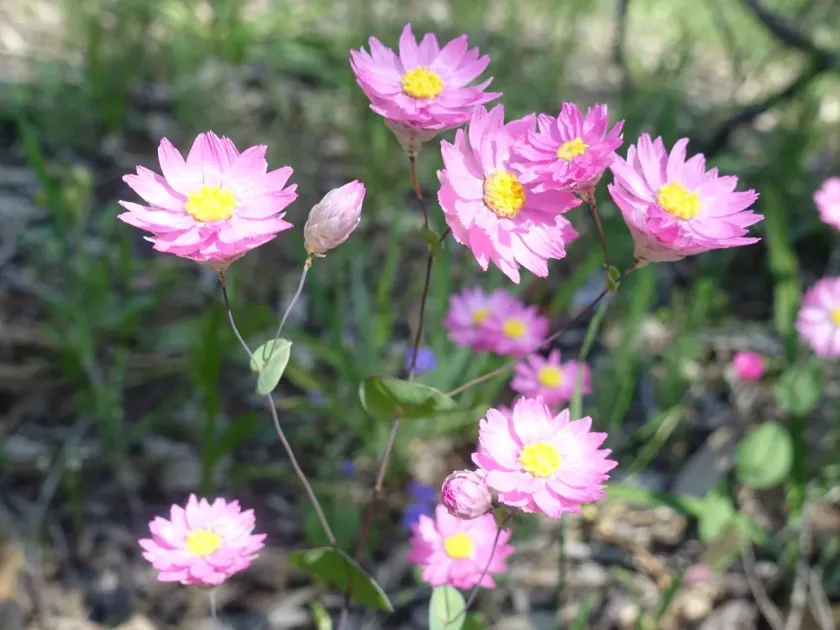
Description
Sowing dates
Sowing Helipterum manglesii, commonly known as Rhodanthe, is best performed directly in the field once the danger of spring frost has completely passed. The seeds require stable warm temperatures, typically above 15 degrees Celsius, to germinate successfully.
For regions with shorter growing seasons, starting seeds in containers indoors is a viable method. Sowing should occur about 6 to 8 weeks before the intended transplanting date, using a well-draining, lightweight potting mix.
Since the seeds are extremely small, they should be sown on the surface of the growing medium and lightly pressed down without covering them with soil. Maintaining high humidity with a misting bottle is essential during the initial germination phase.
Transplanting seedlings can be challenging due to the plant's delicate taproot system. It is highly recommended to use biodegradable peat pots or seed trays to minimize root disturbance during the final planting into the garden.
Optimum spacing between plants should be approximately 20 to 25 centimeters to ensure adequate air circulation. Crowded conditions significantly increase the risk of disease and hinder the proper development of the flower stems.
Growing requirements
Helipterum manglesii is a member of the Asteraceae family and is native to the arid regions of Western Australia. As a result, it thrives in environments characterized by full sun exposure and warm climates.
The plant requires sandy or loamy soils with excellent drainage. It cannot tolerate waterlogged conditions, which lead to rapid root rot and systemic infections. If the site has heavy clay, amending it with sand or grit is necessary.
This species is well-adapted to low-nutrient soils and does not require heavy fertilization. Excess nitrogen will cause excessive foliage growth at the expense of flower production and result in weaker stems.
Watering should be deep but infrequent, allowing the soil surface to dry out completely between sessions. During the flowering period, overhead irrigation should be avoided to preserve the delicate texture of the paper-like petals.
The plant is sensitive to significant temperature fluctuations and prefers a stable growing environment with daytime temperatures ranging from 18 to 25 degrees Celsius for optimal metabolic activity.
Yield
The yield of Helipterum manglesii is measured by the number of high-quality flowering stems produced per square meter. Under favorable growing conditions, a plant can yield multiple stems throughout the season.
The productive flowering window typically lasts for several weeks. Consistent harvesting of stems as they reach the desired maturity stage encourages the plant to direct energy toward producing new buds.
A successful harvest is characterized by stems that retain their structural integrity and vibrant color after the drying process. Quality control is vital, as any stem with signs of botrytis or wilting must be removed from the harvest batch.
Plant density management is the primary factor influencing total yield. High-density planting increases the potential stem count per area but demands strict preventive measures against fungal infections due to reduced airflow.
Economic viability for commercial producers depends on the uniformity of the stems and the precision of the harvest timing, which dictates the final quality of the dried floral product.
Main diseases and pests
Fungal diseases are the primary threat to Helipterum manglesii, especially in high-humidity climates. Botrytis blight and Fusarium root rot are common issues that can devastate a crop if drainage is inadequate.
Powdery mildew may develop on the foliage if air circulation is poor. Preventive spacing and avoiding evening watering can significantly reduce the incidence of this fungal issue in most garden settings.
Aphids are the most frequent insect pest, particularly targeting the tender new buds and stems. Their feeding can cause stunted growth and deform the developing flowers, necessitating early detection and treatment.
Spider mites may appear during hot, dry spells, causing the leaves to turn yellow and lose vigor. Keeping the plant healthy and providing optimal moisture levels often helps in mitigating the impact of these pests.
- Ensure proper site selection with full sun.
- Use sterile, well-draining potting media.
- Monitor for early signs of aphids and mites.
- Remove and destroy infected plant debris promptly.
Harvesting
The timing of the harvest is critical for the long-term quality of the dried product. Stems should be cut when the buds are just beginning to open, as they will continue to open slightly during the drying phase.
Harvesting should occur in the morning once the dew has evaporated but before the heat of the day. This timing ensures the stems have the highest carbohydrate content and sufficient hydration for lasting quality.
After harvesting, the stems should be grouped into small, loose bundles. Hanging them upside down in a dark, dry, and well-ventilated location is the best method to preserve their natural color and shape.
Avoid exposing the drying flowers to direct sunlight, as this will lead to the fading of the pigments and loss of the characteristic luster of the Helipterum petals.
Once completely dried, the flowers should be stored in a cool, dry place protected from dust. When handled correctly, these dried stems can maintain their decorative quality for many months.