
Hannonia
Hannonia hesperidum
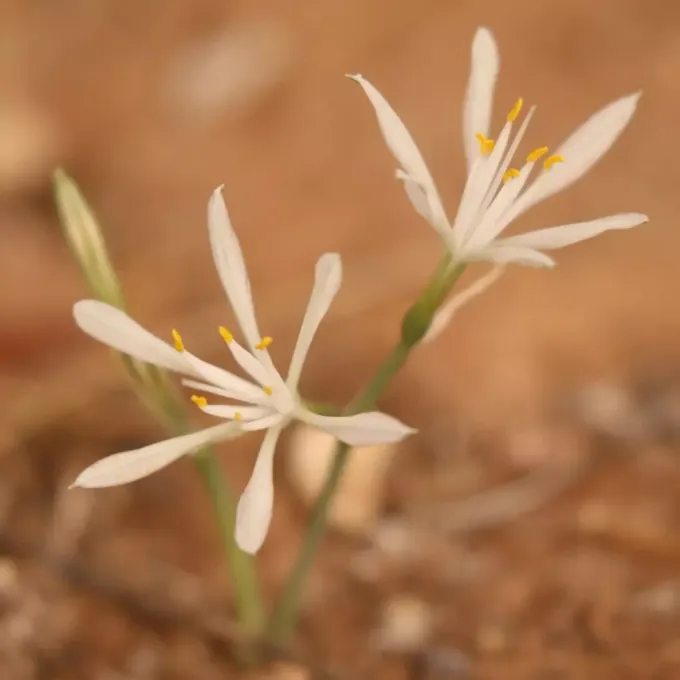
Description
Growing requirements
Hannonia (Hannonia hesperidum) is a monotypic genus of bulbous perennial plants belonging to the Amaryllidaceae family.
This plant is a narrow endemic, with its natural distribution restricted exclusively to the coastal regions of northern Morocco, specifically near Tangier.
For optimal growth, the crop requires specific conditions typical of the Mediterranean climate with a marked summer dormancy period, when bulbs must remain in dry soil.
The soils for growing this species should be light, sandy, or rocky, with excellent drainage to prevent bulb rot during the wet winter season.
In its natural habitat, the plant prefers open areas with good sunlight, having adapted to the harsh conditions of the coastal marine environment.
Main diseases and pests
The main threat to Hannonia hesperidum populations is human-induced landscape transformation associated with construction expansion and urbanization.
Due to its narrow range, the plant is extremely sensitive to microclimate changes and soil degradation caused by overgrazing or land erosion.
Under cultivation conditions, potential pests include bulb mites and fungal pathogens such as Fusarium, which thrive in excessive moisture.
As the species is rare and endangered, maintaining it in cultivation requires strict adherence to lighting regimes and the simulation of Mediterranean seasonal cycles.
The presence of invasive weeds competing for resources in the limited natural growth areas places critical pressure on the species' survival.