
Hanguana malayana
Hanguana malayana
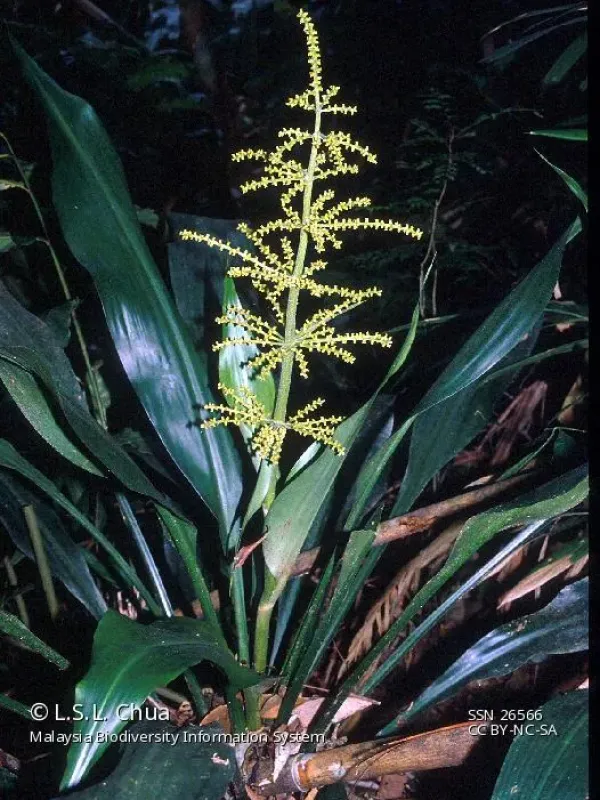
Description
Growing requirements
Hanguana malayana is a species of flowering plant belonging to the family Hanguanaceae. It is a perennial herbaceous plant that naturally thrives in wetland environments, including marshes, swamps, and riparian zones throughout Southeast Asia.
The native range of this species extends across tropical Asia, encompassing regions such as Malaysia and Indonesia. Its distribution is closely tied to areas that receive high annual rainfall and possess consistently humid atmospheric conditions.
Botanically, the plant is characterized by its rhizomatous growth habit and large, alternate leaves that emerge from a central point. The inflorescences are typically panicles that rise above the foliage to facilitate insect-mediated pollination.
To cultivate Hanguana malayana effectively, one must replicate its natural tropical habitat. It requires high ambient humidity and steady temperatures between 22 and 30 degrees Celsius, ensuring that the plant never encounters freezing conditions.
The substrate must be rich in organic matter and maintain high moisture levels without becoming stagnant. While it can handle periodic saturation, proper drainage remains essential to prevent the suffocation of the root system during the active growth phase.
Main diseases and pests
The primary threats to this plant are fungal pathogens, specifically those causing root and crown rot. These issues are exacerbated by excessive moisture in the absence of adequate air circulation, which creates a breeding ground for harmful mold.
Insects like spider mites and mealybugs represent the main pests for indoor or greenhouse populations. These pests thrive in dry conditions, which occasionally occur if the humidity levels drop significantly below the required levels.
Control measures primarily involve integrated pest management strategies. Using horticultural oils or insecticidal soaps is usually effective for localized infestations, provided they are applied during the cooler parts of the day to avoid leaf scorch.
Sanitation is critical in managing crop health; removing decaying plant matter prevents the buildup of fungal spores. Ensuring that the foliage remains clean and clear of dust also aids in maintaining the plant's overall photosynthetic efficiency.
Regular monitoring of soil moisture levels is the most effective way to prevent non-infectious physiological disorders, such as leaf yellowing or stunted rhizome development, which are common when cultivation parameters are ignored.