
Hanguana anthelminthica
Hanguana anthelminthica
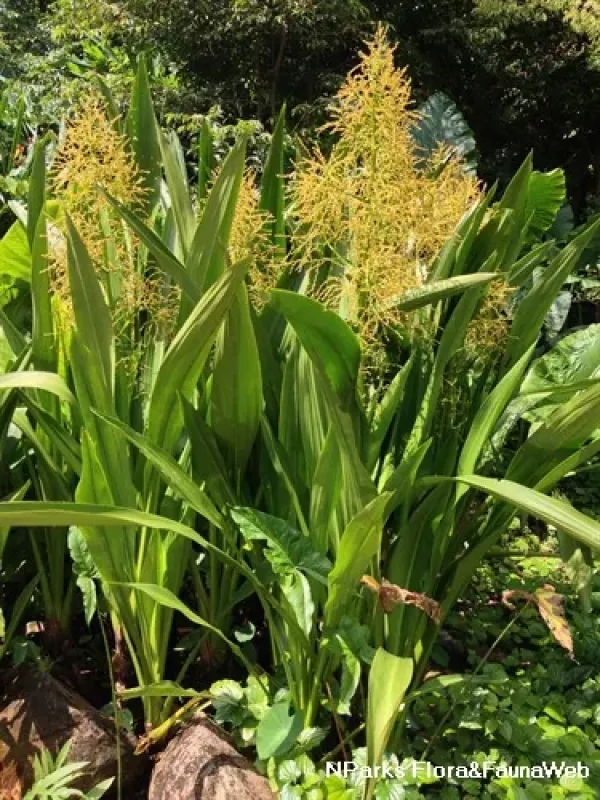
Description
Growing requirements
Hanguana anthelminthica is a perennial herbaceous species belonging to the Hanguanaceae family. It is primarily native to the humid tropical regions of Southeast Asia, where it thrives in forest understory environments.
The plant requires high levels of humidity and warm temperatures throughout the year to maintain its physiological functions. It is typically found growing in damp, lowland areas, often near water sources.
Soil requirements involve a nutrient-rich, moist, and well-draining medium. The plant thrives in soils with an organic content that mimics the leaf litter found in its natural tropical habitat.
Botanically, it is characterized by its upright stature, distinctive foliage, and specific floral arrangements. It has evolved to effectively utilize filtered light, making it suitable for shaded cultivation areas.
Agricultural management should prioritize moisture retention in the growing medium while ensuring that the root system is protected from stagnant water conditions.
Main diseases and pests
Fungal pathogens associated with over-saturated or anaerobic soil conditions pose the most significant risk to the health and development of Hanguana anthelminthica.
Pest pressure is frequently observed from mites and small sap-sucking insects that thrive in low-humidity microclimates within protected or greenhouse environments.
Integrated pest management strategies should focus on maintaining adequate airflow and humidity levels to discourage colonization by these opportunistic pests.
Disease prevention measures include the regular removal of senescing leaves to prevent the onset of necrotic spots caused by high humidity and poor circulation.
Cultivators should conduct regular health inspections of the foliage to detect early signs of chlorosis or pest infestation, ensuring long-term crop stability.