
Halothamnus lancifolius
Halothamnus lancifolius
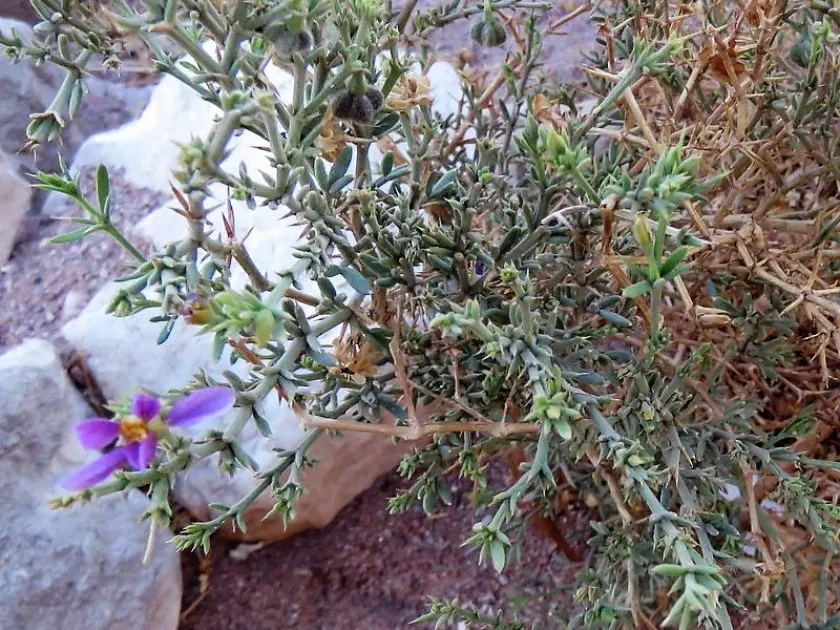
Description
Sowing dates
Halothamnus lancifolius is a desert-adapted plant species, and its sowing timing is strictly dictated by the onset of regional precipitation patterns.
Natural germination usually occurs following spring rainfall, which provides the necessary moisture for seeds to emerge in arid soil conditions.
When cultivated, sowing should be scheduled for late winter or early spring to leverage the remaining soil moisture in the surface layers.
Seeds must be placed at a shallow depth to ensure sufficient light exposure, as deep burial inhibits the germination process of this small-seeded species.
Implementing effective seed priming or using specialized growth stimulants can significantly improve stand establishment in harsh, saline-prone environments.
Growing requirements
The plant belongs to the Amaranthaceae family and is recognized for its extraordinary ability to thrive in highly adverse environmental conditions.
As an obligate halophyte, it is specifically adapted to saline soils that are generally unsuitable for standard agricultural food crops.
Halothamnus lancifolius requires high levels of direct solar radiation and performs poorly under any form of canopy shade or competition for light.
It prefers well-drained, sandy, or loamy soil textures and demonstrates high resilience to soil moisture stress during the peak vegetative stage.
The ideal temperature range for its metabolic activities is between 25 and 35 degrees Celsius, matching its native habitats in Asian desert zones.
Yield
The productivity of Halothamnus lancifolius is measured primarily by its green biomass yield, serving as a reliable fodder source in arid rangelands.
Despite low annual precipitation, the plant maintains consistent growth, providing a steady supply of fodder when other forage crops fail to survive.
Yield outcomes are directly correlated with optimal planting densities, which prevent excessive intraspecific competition for nutrients in limited soil environments.
In agricultural systems, it is often utilized to stabilize grazing lands and improve the nutritional status of livestock through its salt-tolerant foliage.
Harvest or grazing management should be aligned with the flowering phase to ensure maximum nutritional value and plant recovery after biomass removal.
Main diseases and pests
The species possesses inherent defensive chemical properties that provide substantial resistance against common microbial pathogens and fungi.
The main biological threats include specialized desert grasshoppers that may target young, tender growth during the early stages of the growing season.
Fungal diseases are rarely a problem due to the extremely low humidity characteristic of the regions where Halothamnus lancifolius is cultivated.
Overgrazing remains the primary anthropomorphic threat, leading to soil degradation and hindering the plant's ability to regenerate effectively.
Effective weed management during the first few weeks of growth is essential to protect the seedlings from being overtaken by faster-growing invasive species.