
Halerpestes tricuspis
Halerpestes tricuspis
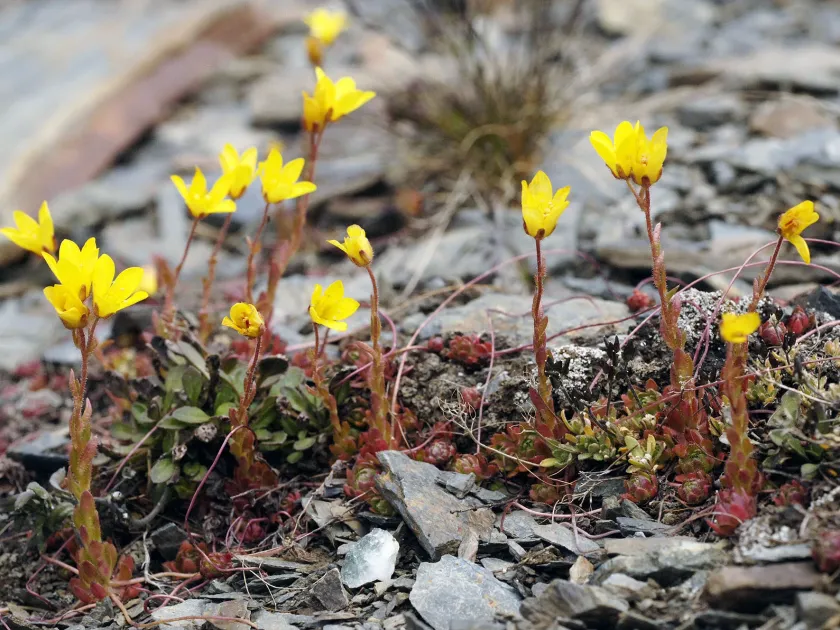
Description
Growing requirements
Halerpestes tricuspis, a member of the Ranunculaceae family, is a perennial herb known for its ability to thrive in diverse and often challenging environments. Its botanical structure is adapted to moist, saline-prone habitats such as coastal marshes and riverbanks.
The plant features prostrate stems that root at the nodes, facilitating rapid colonization of available space. This growth pattern makes it highly effective for soil stabilization in regions where erosion or high salt content limits the growth of conventional agricultural crops.
Agricultural requirements center on the maintenance of consistent soil moisture levels. Although it is salt-tolerant, Halerpestes tricuspis demands a reliable water source to sustain its metabolic functions, particularly during peak summer heat in arid climates.
Climatically, the species prefers temperate to subtropical conditions. It requires ample sunlight for optimal photosynthetic efficiency, which translates into biomass production. Proper soil drainage is necessary to prevent pathogenic fungal issues, even though it grows in damp areas.
Cultivation practices involve site preparation to ensure a weed-free seedbed, as the seedlings are delicate initially. Once the ground cover is established, the plant becomes highly competitive, effectively suppressing weeds and maintaining its footprint in the field.
Main diseases and pests
Common threats to Halerpestes tricuspis include various fungal pathogens that flourish in high-humidity microclimates. Foliar blight and stem rot are significant concerns when plant density is too high, leading to reduced air circulation.
Pests such as aphids and leaf-chewing beetles can cause damage to the foliage, especially during rapid growth phases. Early detection is crucial, as significant pest outbreaks can compromise the nutritional quality of the forage or biomass produced.
Soil-borne pests may also pose a risk, particularly in fields with intensive crop rotation histories. Maintaining balanced soil fertility is key to ensuring that the plants have the physiological strength to recover from minor pest-related stressors.
Integrated pest management (IPM) strategies are recommended to keep the population of harmful organisms in check. This includes monitoring for early signs of infestations and applying targeted, biological control agents rather than broad-spectrum insecticides.
Cultural practices such as clearing debris from the field surface and ensuring proper spacing help mitigate the spread of disease. A focus on plant health, supported by appropriate hydration and soil nutrient management, remains the best defense against biotic threats.