
Halerpestes cymbalaria
Halerpestes cymbalaria
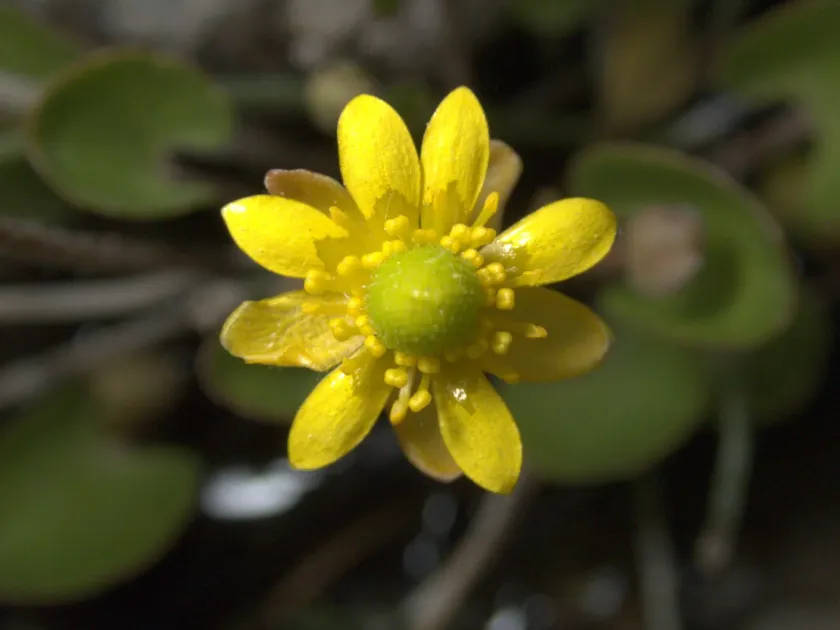
Description
Sowing dates
Halerpestes cymbalaria, a member of the Ranunculaceae family, is a perennial herb known for its stoloniferous growth habit. It propagates mainly through runners that take root at each node, allowing it to form dense mats.
The plant initiates its growth cycle early in the spring as soon as soil temperatures permit. Its rapid colonization rate is one of its primary characteristics in both wild and cultivated settings.
Although it produces seeds, vegetative reproduction remains the dominant strategy for biomass accumulation. The life cycle is tightly integrated with soil moisture availability throughout the season.
For cultivation purposes, propagation involves transplanting stolon cuttings during the early spring or autumn when moisture levels are optimal for rooting.
The plant displays a robust architectural development, with foliage forming close to the ground, effectively protecting the soil surface from erosion and moisture loss.
Growing requirements
The key environmental requirement for this species is high soil moisture. It naturally thrives in riparian zones, wet meadows, and around saline marshlands where other species might struggle.
A notable agronomic asset of Halerpestes cymbalaria is its significant salt tolerance. It can effectively colonize saline soils, serving as a biological option for soil stabilization.
Sunlight is essential for maintaining high photosynthetic activity. The plant is intolerant to heavy shade, which quickly reduces its growth rate and overall vigor in an agricultural field.
The ideal substrate is a silty or loamy soil with high organic content. While it prefers moist conditions, the soil must provide sufficient aeration to prevent root rot during peak rainfall.
It demonstrates high cold hardiness, surviving harsh winter conditions. This makes it suitable for regions with long, cold seasons and high humidity levels.
Main diseases and pests
The plant's chemical composition, typical of the Ranunculaceae family, provides inherent resistance to many common fungal diseases found in crops.
While relatively disease-free, it can be susceptible to localized damage by specific foliage-feeding insects, such as lepidopteran larvae, during mid-summer.
The most significant threat to the culture is drought. Since it lacks deep-rooting drought-avoidance mechanisms, prolonged dry spells will cause rapid decline and eventual plant death.
Weed competition is a major factor that can suppress the plant's spread. In the early stages of establishment, intensive weeding is required to ensure the culture can achieve full ground coverage.
Human activities, particularly the drainage of wetlands or changes in water tables, significantly affect the plant's survival and growth potential in agricultural landscapes.