
Fringed bergenia
Bergenia ciliata (Haw.) Sternb.
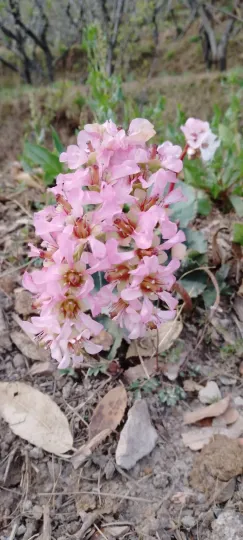
Description
Growing requirements
Fringed bergenia (Bergenia ciliata) is a perennial herbaceous plant belonging to the Saxifragaceae family. Native to the Himalayan region, it typically thrives in high-altitude rocky slopes and shaded forest floors where cool and humid conditions prevail.
The plant is botanically recognized by its large, leathery leaves characterized by delicate cilia along the margins, from which the name ciliata is derived. It maintains a robust rhizomatous root system, which acts as a primary storage organ for its nutritional reserves.
The crop demands a well-drained, humus-rich soil composition for optimal growth. It is highly sensitive to waterlogging, necessitating a substrate that allows for rapid drainage to prevent root rot, which is a common issue in intensive cultivation.
As a shade-loving species, Fringed bergenia performs best in filtered light or partial shade environments. Intense, direct sunlight exposure is generally detrimental to the leaf structure, causing scorch and reduced overall plant vigor.
Economically, the plant is primarily cultivated for its bioactive compounds found in the rhizomes, which are utilized in various pharmaceutical preparations. It also serves as an excellent ornamental ground cover for temperate climate gardens.
Main diseases and pests
The primary pathological threats to this plant are fungal diseases, such as leaf spot, which often proliferate in environments with high humidity and poor air circulation. Sanitation practices, including the removal of dead foliage, are essential for disease control.
Insects like weevils and nematodes can potentially infest the roots and foliage, particularly in poorly maintained plots. Implementing integrated pest management strategies is crucial to protect the yield and ensure the health of the rhizome harvest.