
Griffonia
Griffonia simplicifolia
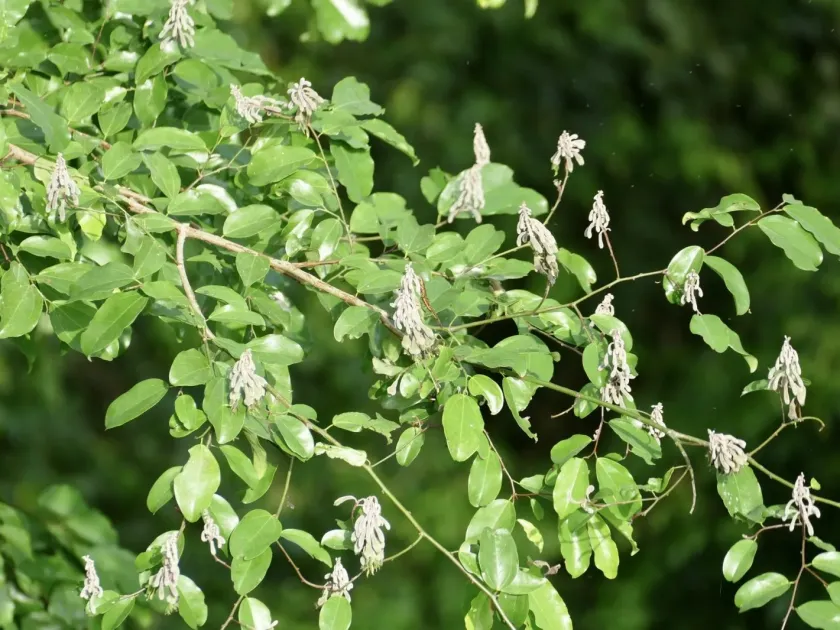
Description
Growing requirements
Griffonia simplicifolia is a woody, climbing shrub belonging to the Fabaceae family. As a perennial plant, it functions as a vine, reaching significant lengths in its native tropical environment while seeking support structures.
The plant is native to the rainforests of West and Central Africa. Its cultivation is restricted to tropical climates where temperatures remain consistently high throughout the year and annual rainfall is abundant.
Soil requirements include well-drained, fertile substrates with a slightly acidic to neutral pH. Proper soil structure is essential; heavy, waterlogged soils are detrimental to the plant's root system, leading to decay and poor development.
Griffonia requires moderate light conditions. While it thrives in the understory of forests in the wild, cultivation systems usually provide dappled sunlight to maximize the plant's health and seed production efficiency.
The primary economic output of Griffonia simplicifolia is its seeds. These are highly valued in the global market for their high content of 5-hydroxytryptophan (5-HTP), a precursor to serotonin used in natural health supplements.
Main diseases and pests
Root rot is the most significant disease threat to Griffonia plantations, typically triggered by improper irrigation or water-logged soil conditions in poorly drained fields. Strict moisture control is vital during all growth stages.
Pests, such as aphids and spider mites, are frequent visitors in tropical plantations. They target tender stems and young leaves, draining plant sap and potentially transmitting viral diseases that hinder crop vigor.
Leaf-eating beetles pose a constant threat to the foliage. Constant monitoring and the application of integrated pest management strategies are necessary to maintain crop density and overall yield quality.
Biological controls are preferred over synthetic pesticides due to the intended medicinal use of the seeds. Ensuring a healthy ecosystem within the farm can help manage pest populations naturally.
Preventative cultural practices, such as maintaining correct plant spacing to improve airflow, are essential to mitigate the risk of fungal outbreaks in the humid conditions where Griffonia is farmed.