
Griffinia hybrid
Griffinia hybrids
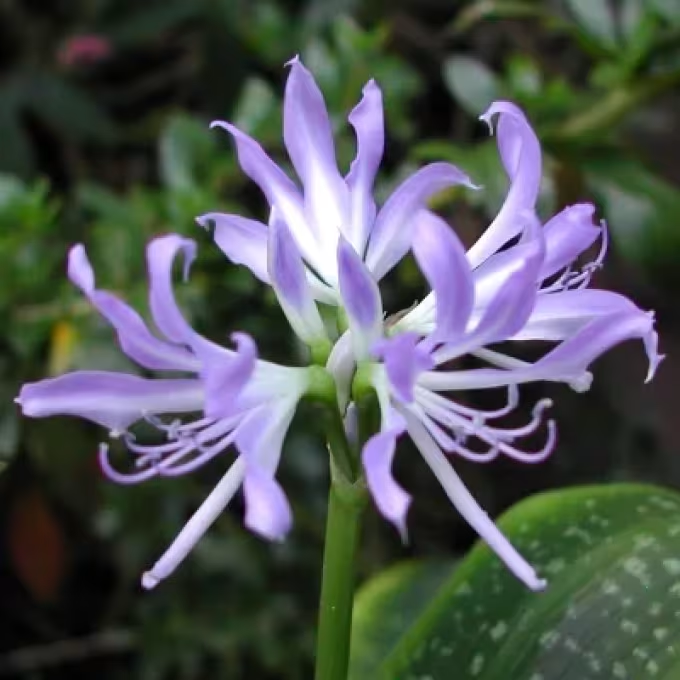
Description
Growing requirements
Griffinia hybrid belongs to the Amaryllidaceae family, originating from the tropical regions of Brazil. This plant is prized by enthusiasts for its unique, architectural flower clusters and broad, deeply veined foliage, which serves as a center-piece in tropical indoor garden settings.
Botanically, these plants are bulbous perennials that require specific environmental conditions to thrive. They grow best in rich, well-draining potting media that mimics the forest floor, typically a mix of organic matter, perlite, and coarse sand to ensure excellent root aeration.
The plant requires bright, filtered light to maintain its vigor. Direct sunlight is generally too intense and can lead to leaf scorching, whereas insufficient light prevents the formation of flower stalks and leads to leggy, weak foliage growth during the active season.
Temperature requirements are consistent with tropical origins; the plant prefers a range between 20°C and 25°C. During the dormant winter phase, temperatures should be lowered to approximately 15°C to allow the bulb to rest, ensuring better subsequent blooming cycles.
Watering practices are critical for Griffinia. The soil should remain consistently moist but never waterlogged during the growing season. In the dormant period, watering must be significantly reduced to prevent bulb rot, which is the most common cause of plant failure in home cultivation.
Main diseases and pests
Stagonospora curtisii, commonly known as red blotch, is a significant threat to bulbous plants like Griffinia. It manifests as red spots or streaks on leaves and bulbs, often triggered by excessive moisture and poor air circulation within the growing environment.
Pests such as mealybugs and spider mites frequently target the succulent leaves. These pests thrive in dry indoor conditions and can quickly weaken the plant by sap-feeding. Regular inspection of the underside of leaves is recommended for early detection and manual control.
Root rot is a pervasive issue caused by inadequate drainage or over-fertilization, which damages the root tips. Using a porous clay pot and a high-quality drainage layer is essential for maintaining a healthy rhizosphere and preventing the proliferation of soil-borne pathogens.
Fungal infections can also occur if the humidity levels are too high without proper ventilation. Ensuring a gentle flow of fresh air around the foliage helps to prevent mildew and other moisture-loving fungal diseases from establishing on the plant surface.
When handling the bulbs, it is important to be cautious to avoid bruising the outer layers, as mechanical damage provides entry points for bacteria and fungi. Using clean, sharp tools for division or transplanting is essential to maintain the integrity of the plant tissues.