
Griffinia aracensis
Griffinia aracensis
Description
Growing requirements
Griffinia aracensis is a rare and distinct species belonging to the Amaryllidaceae family. Native to the specific tropical environments of Brazil, this bulbous plant has evolved to thrive in specialized niches within its natural habitat.
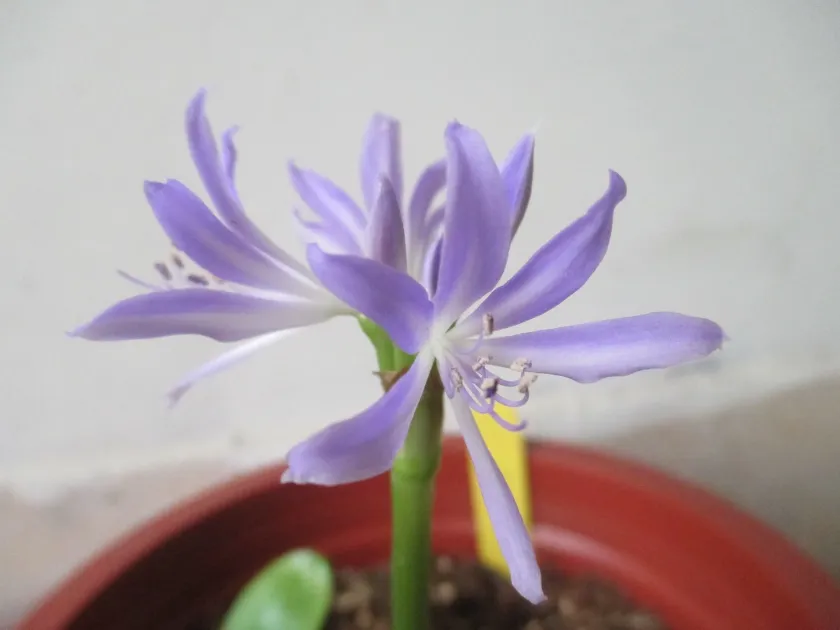
The botanical structure features broad, succulent-like leaves and attractive, blue-toned flowers that distinguish it from many other members of the family. Its storage bulb is essential for the plant to navigate through its seasonal growth cycles and brief periods of dormancy.
Optimal growth conditions require a well-draining, nutrient-rich substrate, preferably with a slightly acidic pH. Incorporating perlite or coarse sand into the potting mix is vital to prevent water accumulation, which poses a significant threat to the bulb's health.
The plant thrives in a stable climate, with temperature ranges between 22°C and 26°C during the growing season. Maintaining high relative humidity is crucial for the development of healthy foliage, and periodic misting or humidifier use is highly recommended.
Lighting requirements are specific: Griffinia aracensis prefers bright, indirect light. Direct sunlight can easily damage the delicate leaves, causing unsightly scorch marks and leading to rapid water loss, thus proper shading is necessary throughout the day.
Main diseases and pests
The primary threats to Griffinia aracensis involve pathogens associated with overwatering. Root rot and bulb rot are the most common issues, often triggered by waterlogged conditions and inadequate aeration of the soil substrate.
Pest management is focused on controlling common greenhouse invaders such as spider mites and mealybugs. These insects tend to hide in the crevices of the leaves, necessitating frequent inspection and manual cleaning to maintain plant vitality.
Fungal infections, such as those causing leaf spots, can proliferate if the plant lacks sufficient air circulation. Improving airflow around the plant canopy is a fundamental step in minimizing the spread of moisture-borne pathogens.
Systemic fungicides are recommended if preventative measures fail to control fungal growth. It is critical to follow the dosage guidelines carefully to avoid causing chemical stress to the sensitive bulb tissues of the plant.
Regular monitoring of the soil and root system is recommended during the transition between the growth and dormant stages. Early detection of stress factors allows for corrective actions, such as substrate replacement or adjusting the irrigation frequency.