
European plum
Prunus domestica L. subsp. italica (Borkh.) Gams ex Hegi
Description
Growing requirements
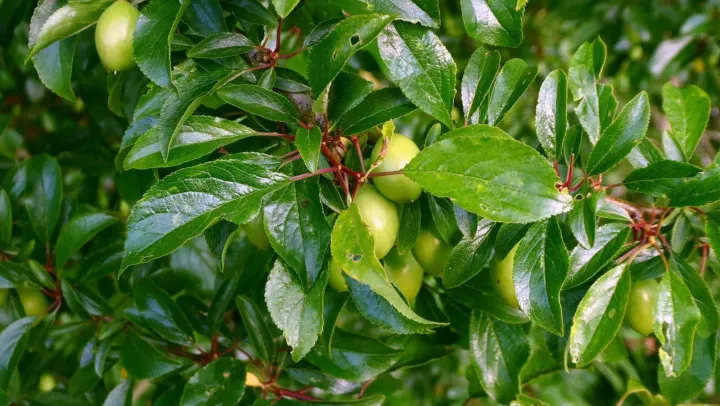
The European plum (Prunus domestica subsp. italica) belongs to the Rosaceae family. It is a deciduous tree known for its versatile fruit, which resulted from a natural cross between the sloe and the cherry plum. It is widely cultivated in temperate regions across the globe for both fresh consumption and processing.
Plums thrive in deep, loamy, and fertile soils with a neutral pH. Good drainage is essential, as the trees are susceptible to root rot in waterlogged conditions. Selecting a site with full sun exposure is crucial for optimal fruit sugar development and reducing the risk of fungal infections caused by humidity.
Regarding climate, this species requires a cool winter period to break dormancy and enough warmth during the summer for fruit maturation. Late spring frosts pose a significant risk to blossoms, so choosing sites with good air circulation and late-blooming varieties is a standard management practice in northern climates.
Cultural practices focus on canopy management through regular pruning to ensure light penetration and airflow, which is critical for healthy fruit development. Soil fertility is maintained through periodic application of organic matter and balanced NPK fertilizers, adjusted based on annual growth and soil tests.
Economically, European plums are a staple of the stone fruit industry. Beyond fresh market use, they are essential for producing high-quality dried fruits (prunes), preserves, jams, and various fermented beverages. Their high pectin content and balanced sugar-acid profile make them a favorite in the processing industry.
Yield
Yield varies significantly based on variety, rootstock, and management intensity. Well-maintained commercial orchards can expect yields ranging from 20 to 40 metric tons per hectare. Individual trees can produce substantial harvests, often exceeding 100 kg once they reach maturity and peak production capacity.
Main diseases and pests
Brown rot (Monilinia spp.) is a primary threat, causing blossom blight and fruit rot, especially in wet seasons. Another common issue is plum pox virus (sharka), which can devastate orchards and requires strict phytosanitary measures, including the removal of infected trees to prevent spread.
Insect pests include the plum fruit moth, which causes internal damage to the fruit, and aphids, which colonize leaves and shoots. Integrated Pest Management (IPM) strategies, including pheromone traps and targeted organic or chemical treatments, are employed to minimize crop losses while maintaining biodiversity.
Sanitation practices are the cornerstone of disease control. Removing and burying mummified fruit, clearing weed growth around the base of the tree, and pruning out infected twigs are effective ways to break the disease cycle. These proactive measures significantly reduce the dependency on chemical sprays.
Harvesting
Harvest timing is critical and depends on the intended end-use of the fruit. For export and long-distance transport, plums are harvested slightly before full maturity while still firm. If the fruit is intended for direct local consumption or home processing, it is allowed to ripen fully on the tree.
The harvest is typically performed manually by picking individual fruits to preserve the bloom, a natural waxy layer that protects the plum and extends shelf life. Frequent picking rounds are often necessary since plums on the same tree do not always ripen simultaneously, ensuring maximum quality for every harvest batch.