
Golden pothos
Epipremnum pinnatum (L.) Engl.
Description
Growing requirements
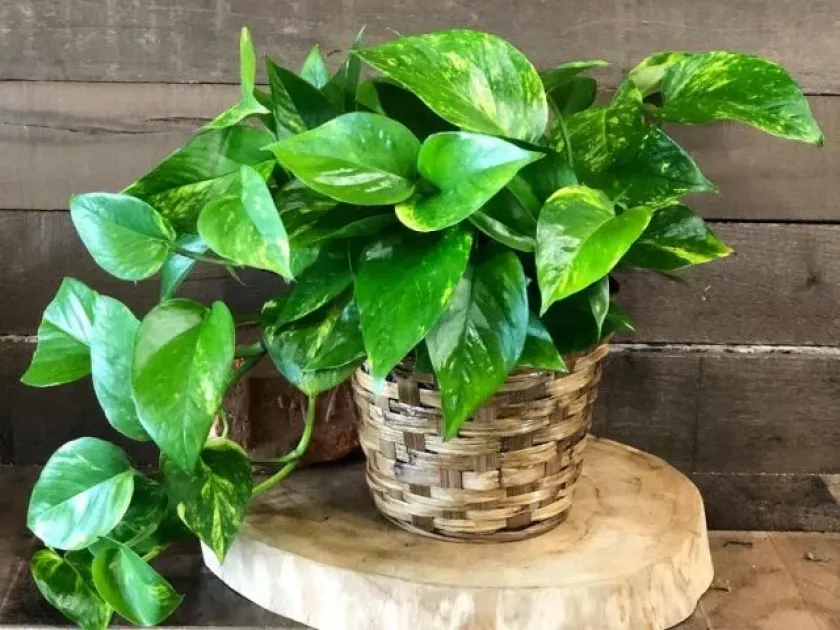
The Golden Pothos (Epipremnum pinnatum) is an evergreen tropical vine belonging to the Araceae family. Originating from the tropical rainforests of Southeast Asia, it is a climbing plant that uses aerial roots to ascend trees in its native habitat.
This crop thrives in bright, indirect light. While it is highly adaptable and can tolerate low-light conditions, maintaining the signature golden variegation on the foliage requires sufficient light intensity; otherwise, the leaves will revert to a solid dark green.
Temperature requirements are consistent with tropical plants, preferring a range between +18 and +28 degrees Celsius. The species is highly sensitive to frost and sudden temperature drops, which can cause significant physiological stress or plant death.
Soil requirements involve a well-draining, porous medium that prevents waterlogging. A mixture rich in organic peat, perlite, and bark is ideal to ensure adequate aeration for the root system, which is prone to suffocation in dense, compacted soils.
Cultural management consists of moderate irrigation, allowing the top third of the soil to dry out between watering sessions. Regular fertilization with balanced liquid nutrients during the active growing season promotes vigorous vine development.
Main diseases and pests
Common pests include spider mites and mealybugs, which are particularly problematic in dry indoor environments. Integrated pest management, such as wiping leaves with horticultural soap, is recommended to keep pest populations below the economic injury level.
Pathogenic threats are dominated by root and stem rots caused by Pythium or Phytophthora species. These diseases are primarily associated with overwatering and poor drainage, necessitating immediate adjustments in the moisture management program.