
Golden Pothos
Epipremnum aureum (Linden & André) G. S. Bunting.
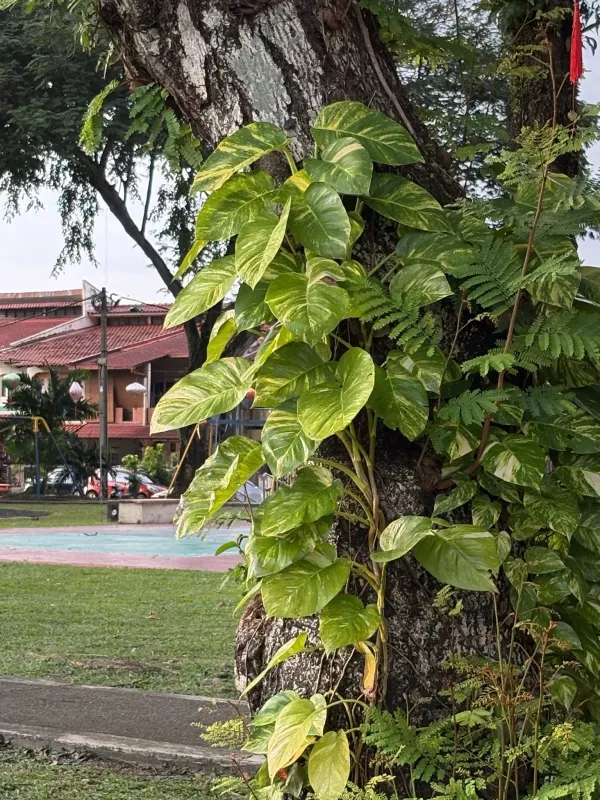
Description
Growing requirements
Golden Pothos (Epipremnum aureum) is a vigorous evergreen vine belonging to the Araceae family. Originating from the tropical rainforests of Southeast Asia, this species has become a staple commercial ornamental plant valued for its trailing growth habit and high aesthetic appeal.
The plant thrives in bright, indirect sunlight which is essential for maintaining the variegation of its heart-shaped leaves. In a commercial growing environment, managing light intensity is critical to prevent foliage chlorosis or leaf scorching while ensuring consistent plant development.
Temperature management should focus on maintaining a stable range between 18°C and 27°C. Being a tropical species, the Golden Pothos is sensitive to cold stress, and exposure to temperatures below 10°C can result in significant tissue damage and metabolic disruption.
A well-aerated, peat-based potting mix is recommended for commercial production to facilitate proper drainage. The substrate should be slightly acidic to neutral (pH 6.0–7.0) to ensure optimal nutrient uptake and to support the vigorous development of the root system.
Cultivation practices involve scheduled irrigation synchronized with light levels and temperature. During the growing season, regular liquid fertilization with a balanced NPK ratio promotes robust stem growth and contributes to the overall structural integrity of the plant.
Main diseases and pests
Root rot, primarily caused by species of Phytophthora or Pythium, remains the most significant threat to the Golden Pothos under irrigation mismanagement. Overwatering creates anaerobic soil conditions that lead to rapid colonization by soil-borne pathogens.
Pest management protocols must address common greenhouse intruders such as mealybugs, thrips, and spider mites. Proactive scouting and the use of integrated pest management (IPM) strategies, including biological controls or targeted chemical applications, are necessary for maintaining crop quality.