
Wood mannagrass
Glyceria nemoralis
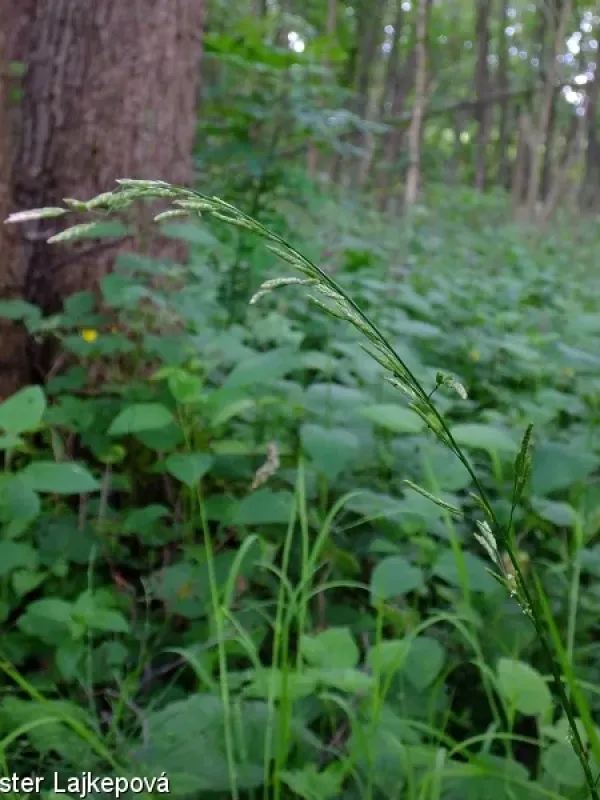
Description
Growing requirements
Wood mannagrass (Glyceria nemoralis) is a perennial grass belonging to the Poaceae family. It is typically found in shady, moist habitats such as woodlands and riverbanks, where it thrives in humid conditions.
The plant is highly adapted to rich, loamy soils and exhibits a remarkable tolerance for waterlogged sites, making it an excellent choice for wet meadow reclamation and soil stabilization.
Botanically, this species is characterized by its leafy stems and a vigorous root system, which allows it to persist under varying levels of light and moisture throughout the growing season.
Climatic requirements involve moderate temperature ranges and a consistent water supply. It does not perform well in arid environments, as its growth cycle depends heavily on soil moisture levels.
Agronomic practices for Glyceria nemoralis focus on maintaining soil fertility through nitrogen application and managing water levels to ensure optimal biomass production for forage needs.
Yield
The primary economic use of Wood mannagrass is as a high-quality forage source for livestock, particularly in areas where other grass species struggle due to excess soil moisture.
It provides early spring grazing opportunities, as the plant initiates growth relatively early, helping to bridge the gap in forage supply at the beginning of the grazing season.
When harvested for hay, the biomass shows good nutritional value, containing sufficient levels of protein and energy, which are crucial for maintaining herd performance.
Yield stability is achieved by managing harvest timing, typically focusing on the stage before full flowering, to maximize both quantity and nutritional quality of the forage.
By incorporating this species into meadow mixtures, agricultural managers can improve the overall botanical composition and output of low-lying grazing lands.
Main diseases and pests
The most common threats to Wood mannagrass are fungal diseases, such as rust and powdery mildew, especially during seasons with prolonged rainfall and high humidity.
Insect pests, including various types of cereal flies and leaf-feeding aphids, can occasionally reduce biomass yield if infestations are not controlled during the early growth phases.
Preventive measures include ensuring proper field ventilation by avoiding overcrowding and implementing strategic fertilization to build plant resilience against stress.
Regular monitoring of the grassland is essential to detect early symptoms of disease or pest activity, allowing for timely intervention with appropriate agricultural chemicals if necessary.
Maintaining a balanced nutrient profile in the soil helps the plant recover quickly from herbivory and minor pest pressure, ensuring long-term persistence in the field.