
Gisekia pharnaceoides
Gisekia pharnaceoides
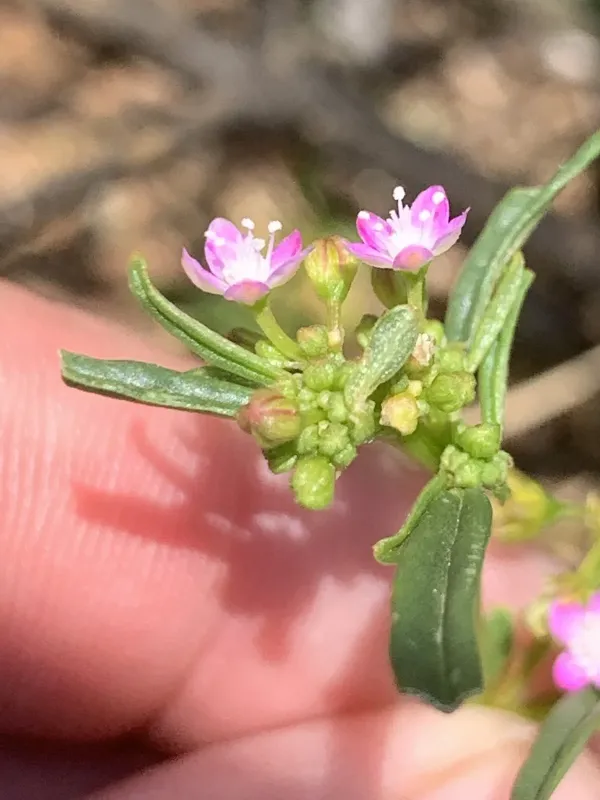
Description
Growing requirements
Gisekia pharnaceoides is an annual herbaceous plant belonging to the Gisekiaceae family. It is native to arid and semi-arid regions of Africa and Asia, where it thrives in harsh environmental conditions.
The plant is highly adapted to sandy, well-drained soils and is characterized by its significant drought tolerance. It is often found in open fields and disturbed habitats, showing a remarkable ability to survive under direct tropical sun.
Botanically, it features prostrate or ascending stems and succulent, linear-lanceolate leaves. This morphology allows the plant to minimize water loss through transpiration, making it an ideal candidate for cultivation in water-stressed environments.
Regarding agricultural requirements, Gisekia pharnaceoides demands full sun exposure and minimal irrigation. It performs well on marginal soils where other common crops would fail, showing no special needs for high nitrogen fertilization.
Economically, the plant is valued for its culinary uses, where leaves are consumed as greens, and for its pharmacological properties. It has been used traditionally for its anthelmintic and anti-inflammatory qualities in various regional medical practices.
Main diseases and pests
The main threat to this crop is the presence of excessive soil moisture, which inevitably leads to fungal infections and root decay. Proper drainage is the most critical factor for maintaining a healthy stand of this plant.
While largely resistant to most insect attacks, poor environmental management can attract common garden pests. Regular monitoring and maintaining appropriate spacing between rows are recommended to ensure optimal plant health throughout the growing season.