
Gigartina skottsbergi
Gigartina skottsbergi
Description
Sowing dates
Gigartina skottsbergi is not a traditional crop sown in soil, as its lifecycle is intrinsically tied to marine environments. Industrial cultivation is performed through vegetative propagation or by seeding substrates with spores in controlled mariculture settings.
The optimal timing for deploying seeded substrates depends on the specific hydrobiological cycle of the bay. Typically, this is done in the early spring when water temperatures and light levels favor rapid thallus development.
Successful cultivation requires strict control over plant density to prevent competition for nutrients. Regular monitoring during the initial weeks is vital to ensure high survival rates and uniform growth across the farm.
Advanced farming techniques involve managing the depth of the submerged platforms to provide optimal solar radiation for photosynthesis. Seasonal growth rates are closely tied to the photoperiod and the concentration of mineral salts in the water column.
The full growth cycle to commercial maturity usually spans from six to eight months. At the end of this period, the biomass reaches its peak content of useful polysaccharides, signaling the readiness for harvest.
Growing requirements
This red alga, belonging to the Gigartinaceae family, thrives in cold to temperate coastal waters. It requires environments with moderate water movement, which ensures a constant supply of fresh, nutrient-rich water to the plants.
Light availability is a critical factor, which is why commercial plantations are sited within the euphotic zone. Water clarity significantly dictates the optimal depth for infrastructure placement and overall farm productivity.
The temperature range for normal vegetative growth is between 5 and 15 degrees Celsius. Extreme fluctuations in water temperature can lead to tissue degradation and a reduction in the quality of the final carrageenan yield.
Water quality must meet rigorous environmental standards, free from heavy metal pollution or excessive agricultural runoff. The chemical composition of the seawater directly influences the physical properties of the extracted compounds.
Thalli are anchored to nets or ropes designed to withstand the corrosive marine environment. The choice of substrate must align with the hydrodynamics of the site to minimize the risk of mechanical damage during storms.
Yield
The yield of Gigartina skottsbergi is measured by the volume of raw biomass harvested per hectare per production cycle. Modern farms can achieve 15–25 tonnes of raw material under optimal management practices.
The carrageenan content within the biomass depends on both the age of the algae and the quality of their growth environment. Optimized light exposure and nutrient management are key factors in increasing the output of gelling agents.
Farm efficiency is heavily dependent on regular maintenance, including the cleaning of thalli from epiphytes. Removing competitive organisms ensures that the primary crop has maximum access to light and essential nutrients.
Productivity is tracked using control plots within the farm, where growth rates are measured weekly. This data allows farm managers to adjust planting density to maximize total biomass harvest.
Yield stability can fluctuate based on annual climate anomalies. However, effective control over water parameters and farm design helps mitigate these risks and ensures a consistent supply of commercial product.
Main diseases and pests
Pathogenic microorganisms pose the primary threat to plantations, often causing tissue decay. Bacterial infections can spread rapidly in high-density conditions if water circulation is restricted.
Marine pests, including herbivorous mollusks and certain crustaceans, can significantly damage crops by consuming the tips of the thalli. Protective netting and biological control methods are used to mitigate these losses.
Epiphytic algae compete for sunlight and nutrients, requiring consistent manual or mechanical intervention to keep the primary crop healthy. Failure to manage these competitors will lead to stunted growth and reduced yields.
Mechanical damage from storm surges can cause thalli to detach from substrates, leading to loss of biomass. Strengthening farm infrastructure is a critical preventative measure in storm-prone regions.
Changes in water pH or harmful algal blooms can create toxic environments for the crop. Constant monitoring of water chemistry is mandatory to protect the farm's health and economic viability.
Harvesting
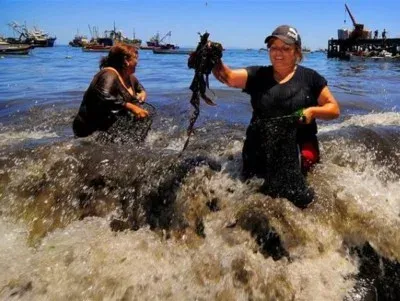
Harvesting is typically carried out using specialized mechanical harvesters or manual techniques. Commercial boats are equipped with cutters that trim the biomass at a predetermined depth to ensure efficiency.
It is essential to leave a portion of the thallus base intact to allow for natural regeneration. This practice enables multiple harvests within a single season without the need for reseeding.
Post-harvest processing involves thorough washing to remove sand, debris, and small marine organisms. The quality of this initial cleaning stage directly dictates the final grade of the product.
Drying is performed either on outdoor sun-drying platforms or in industrial dryers with controlled airflow. Proper moisture removal is vital to prevent spoilage during long-term storage and transport.
Stored material must be kept in well-ventilated, low-humidity warehouses. Before being sent to processing plants for carrageenan extraction, the product undergoes rigorous classification based on purity and active ingredient concentration.