
Gigartina acicularis
Gigartina acicularis
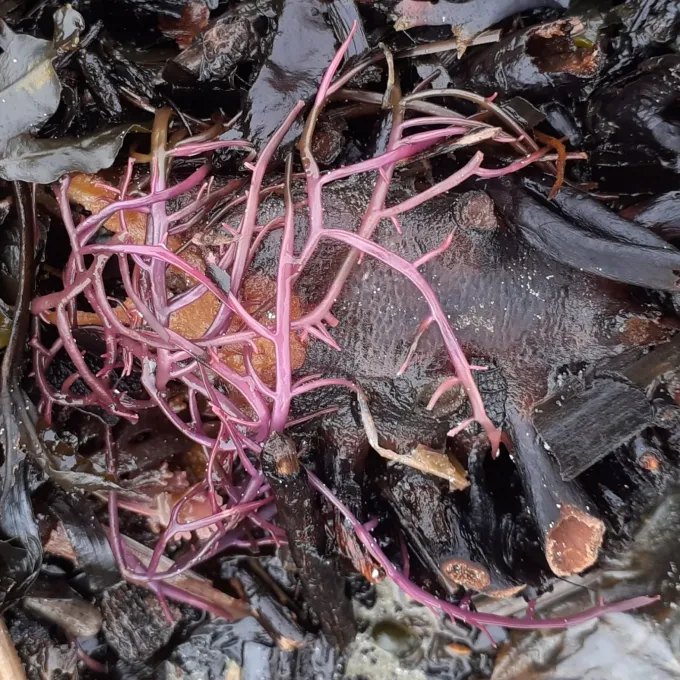
Description
Growing requirements
Gigartina acicularis is a perennial red seaweed species belonging to the family Gigartinaceae. It is a benthic organism typically found in the intertidal and subtidal zones of temperate seas, attached firmly to rocky substrates.
The botanical structure consists of a cartilaginous, dichotomously branched thallus. This structural robustness allows the species to withstand high-energy hydrodynamic environments, which is essential for nutrient uptake in open sea conditions.
Optimal growth occurs in temperatures ranging from 10 to 18 degrees Celsius. The culture requires high-quality, saline water with consistent water movement, which facilitates the distribution of nutrients and oxygen.
Light penetration is a critical factor for development. Industrial cultivation sites must be carefully mapped to ensure that photosynthesis is maximized while avoiding overheating or bleaching of the seaweed tissues.
The natural habitat is widespread across parts of the Atlantic and Mediterranean regions. In aquaculture, artificial rocky structures or grid-based frames are utilized to simulate natural conditions for high-yield farming.
Yield
The economic value of Gigartina acicularis is derived primarily from its industrial utility as a source of high-quality carrageenans. These compounds are essential in food processing as gelling agents and stabilizers.
Yields are maximized through sustainable harvesting practices, such as controlled pruning of the thalli, which encourages secondary regrowth and ensures long-term productivity of the marine farm.
Advancements in mariculture techniques allow for denser plantings, effectively increasing the biomass yield per hectare. This is often achieved through vertical growth setups that optimize space utilization in the water column.
Biochemical quality is heavily influenced by harvest timing. Professional operations track nutrient levels and sunlight hours to harvest at the exact point of peak polysaccharide concentration within the seaweed.
Efficient processing of the harvested seaweed—involving rapid dehydration and extraction—is vital to maintaining the purity and marketability of the extracted carrageenan products.
Main diseases and pests
The primary threats to Gigartina acicularis include the proliferation of epiphytic organisms that compete for light and space on the thallus surface, thereby inhibiting the host's growth.
Grazing pressure from marine fauna, particularly sea urchins, can cause significant damage to the plant population. Farmers must implement physical or biological deterrents to mitigate this risk.
Pathogenic bacterial infections pose a threat, especially during seasonal temperature spikes. Such infections can lead to rapid necrosis of the thallus if the environmental stress factors are not managed.
Severe hydrodynamic events, such as intense storms, can physically uproot the seaweed from its attachment point, leading to catastrophic losses in open-sea farming setups.
Environmental pollutants, including heavy metals or runoff, can accumulate in the seaweed tissue. This not only harms the health of the plants but can also disqualify the harvest for use in pharmaceutical or food-grade applications.