
Green satinheart
Geijera salicifolia
Description
Growing requirements
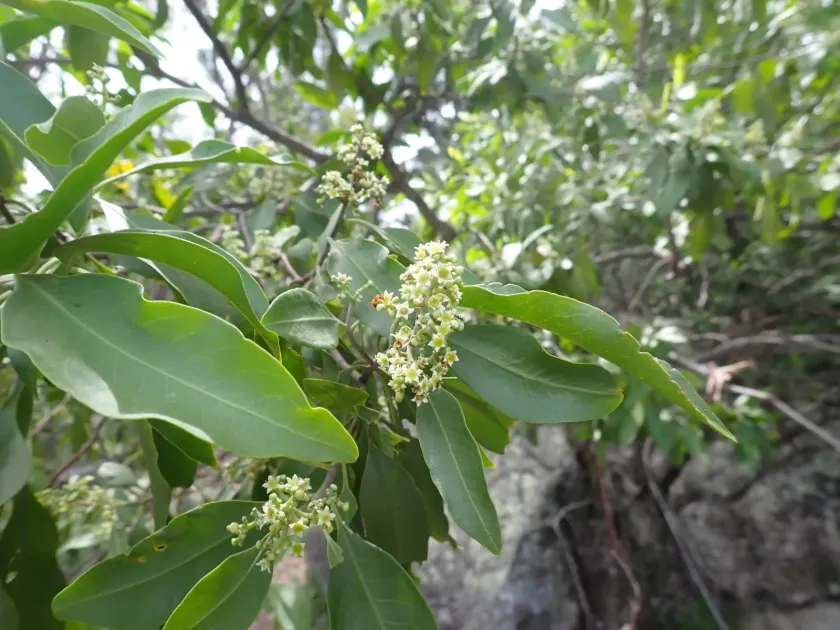
Green satinheart (Geijera salicifolia) is an evergreen tree or shrub belonging to the Rutaceae family. In its natural environment, the plant is native to Australia, primarily occurring in New South Wales and Queensland, where it inhabits both rainforests and drier woodland areas.
The culture prefers well-drained, fertile soils, although it shows high adaptability to various soil types, including stony substrates. Optimal growth is achieved under sufficient sunlight, although young specimens can tolerate light shading during hot weather periods.
Climate requirements include moderately warm conditions with protection from severe frosts that can damage tender young foliage. The plant possesses moderate drought tolerance once the root system is fully established, making it a promising candidate for various landscape architecture projects.
Cultivation practices include regular watering during the early years of growth, as well as the application of balanced organic fertilizers in spring to stimulate vegetative development. Pruning is performed to shape the canopy and maintain a decorative appearance, as the tree naturally has a dense and spreading form.
The primary horticultural use of Geijera salicifolia is in ornamental gardening, the creation of windbreaks, and urban landscaping. Due to its dense foliage, which resembles that of a willow, the tree is highly valued in garden design as an attractive specimen plant or a functional hedge.
Main diseases and pests
Common pests include various species of aphids and scale insects that can infest young shoots and leaves. Under conditions of high humidity combined with poor airflow within the canopy, the plant may be susceptible to powdery mildew or other fungal leaf diseases.