
Wilga
Geijera parviflora
Description
Growing requirements
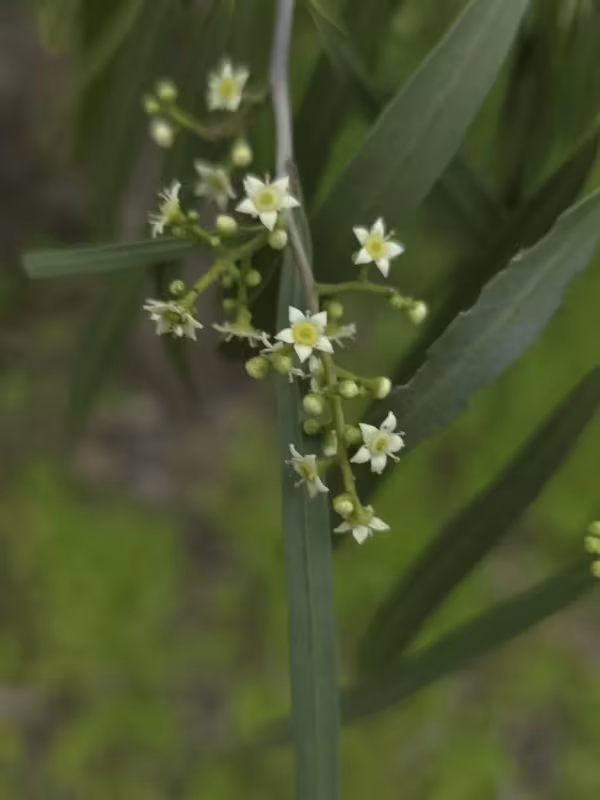
Geijera parviflora, commonly known as the Wilga, is an evergreen tree species belonging to the Rutaceae family. Native to Australia, this plant is well-regarded for its weeping habit and fragrant foliage, resembling the appearance of a willow tree.
The culture is highly valued for its exceptional drought tolerance and ability to thrive in poor, saline, or alkaline soils. It performs best in full sun, where its dense canopy provides excellent shade for both livestock and ornamental purposes.
Soil drainage is a critical requirement for this species, as it is susceptible to root rot if water stagnation occurs. While it is adaptable to various climates, it prefers warm regions and is considered moderately hardy against light frost.
Agronomic management involves minimal pruning to maintain the desired shape and regular monitoring during the establishment phase. Once mature, the Wilga is remarkably independent and requires little additional maintenance or fertilization.
In terms of хозяйственное использование, this tree serves as a durable windbreak and an effective specimen for urban forestry. Its leaves contain oils that contribute to its pest-repelling properties, making it a sustainable choice for many projects.
Main diseases and pests
The Wilga is generally resistant to most common garden pests, which adds to its appeal as a low-maintenance landscape tree. However, excessive moisture levels can lead to the development of root rot and other fungal diseases.
Occasional infestations of scale insects may occur, particularly if the tree is stressed by drought or poor nutritional levels. These can be managed by applying horticultural oils or systemic insecticides if necessary.
Poor soil conditions may trigger symptoms of chlorosis, where leaves turn yellow due to nutrient deficiencies. To prevent this, annual soil testing and the application of micronutrients are highly recommended by agricultural experts.
Care should be taken during pruning to prevent open wounds that can serve as entry points for pathogens. Using sharp, sterilized tools significantly reduces the risk of long-term infection in the woody tissues.
Finally, competition from aggressive weeds during the first year of planting can hinder growth. Providing a layer of mulch around the base of the tree helps control weed growth while conserving soil moisture for the young root system.