
Gasteria carinata
Gasteria carinata (Mill.) Duval
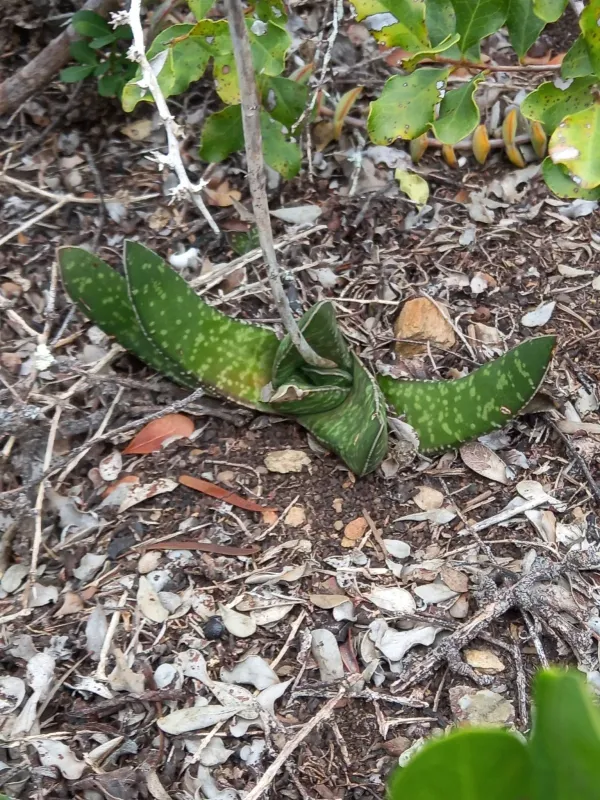
Description
Growing requirements
Gasteria carinata is a perennial succulent plant belonging to the Asphodelaceae family. Native to the Cape Province in South Africa, this species has evolved in rocky, well-drained environments, making it highly drought-tolerant in agricultural settings.
Botanically, it is defined by its tough, keeled leaves arranged in a basal rosette. The leaves often feature unique white tubercles or spots, which vary based on the specific environment and light exposure, adding to the plant's ornamental value.
The culture thrives in bright, filtered light conditions. While it can tolerate some morning sun, intense afternoon direct light must be avoided to prevent foliar scorching, which can permanently damage the plant's aesthetic appearance.
The soil must be highly porous and inorganic. A mixture containing coarse sand, perlite, and a small portion of peat or leaf mold is recommended to ensure that water drains away rapidly, mimicking the natural conditions of the plant's habitat.
Temperature management is crucial: the plant prefers warm days during the growing season and cooler temperatures during winter dormancy. This temperature shift is essential to induce healthy flowering cycles and maintain vigorous plant development.
Main diseases and pests
The primary threat to Gasteria carinata is root and crown rot, typically caused by water stagnation or over-irrigation. Excessive moisture in the growing medium prevents root aeration, facilitating the spread of pathogenic oomycetes and bacteria.
Mealybugs are the most common pest observed on this succulent. They tend to cluster in the tight leaf axils, making manual removal challenging. Infestations result in stunted growth and can lead to the spread of secondary fungal infections.
Spider mites can also attack the plant, particularly in dry, warm indoor environments. These pests cause chlorotic spots on the foliage and, if left unchecked, can lead to the total dehydration and collapse of the succulent leaf structures.
Integrated pest management involves regular cleaning of the foliage and isolation of new plants. Should an infestation occur, horticultural soaps or specific systemic insecticides are recommended to neutralize the pest population safely.
Preventative care is centered on maintaining low humidity and ensuring that no water collects in the center of the rosette during watering. Proper ventilation is the best strategy to keep the plant free from fungal pathogens and pests.