
Gaertnera vaginans
Gaertnera vaginans
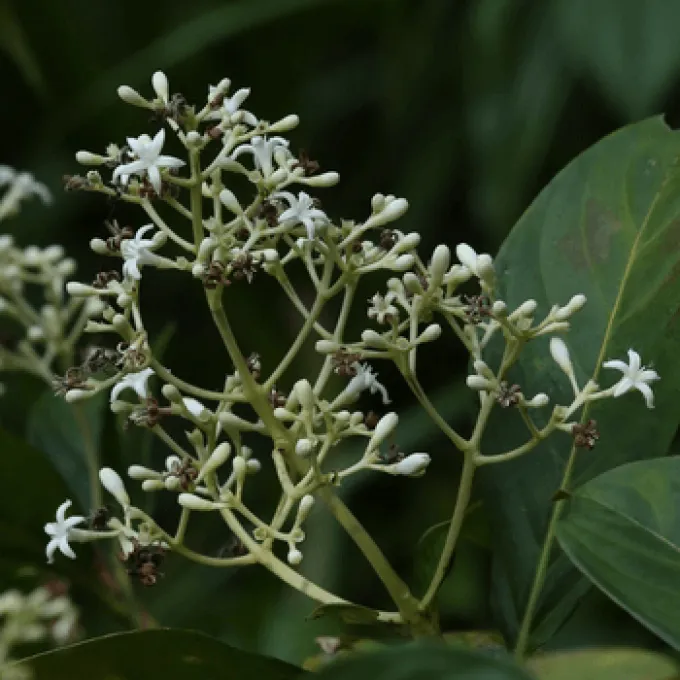
Description
Sowing dates
Gaertnera vaginans, being a tropical plant species, follows a specialized cycle of propagation that focuses on early establishment in nurseries.
The planting of seeds must occur in high-humidity environments to ensure successful germination, mimicking the natural rainforest floor conditions.
The optimal timing for establishing new crops corresponds with the pre-rainy season to leverage natural moisture availability for the seedlings.
The growing medium needs to be high in organic matter and must offer superior drainage to prevent waterlogging during the delicate sprout stage.
Proper nursery management allows the plants to develop a strong root system before being outplanted into their final, permanent locations.
Growing requirements
Belonging to the Rubiaceae family, this plant thrives in warm, humid climates characterized by consistent temperatures throughout the year.
It prefers fertile, well-draining soils with a slightly acidic to neutral pH, which is typical for many tropical forest environments.
The plant requires filtered sunlight and often struggles under the intense, direct exposure of the tropical sun, making shade management essential.
Environmental stability is key; the species does not tolerate sudden, drastic drops in temperature or prolonged periods of drought.
Maintaining high relative humidity is vital for the physiological well-being of the leaves and stems throughout the entire vegetative period.
Main diseases and pests
Fungal pathogens represent the primary threat to this crop, particularly in dense plantings where air circulation is restricted.
Various tropical pests, including mites and leaf-feeding larvae, can cause significant cosmetic and physiological damage if left uncontrolled.
Disease prevention is prioritized over reactive treatment to ensure the purity of the biomass intended for industrial or medicinal use.
Good agricultural practices, such as maintaining proper spacing between plants, significantly reduce the incidence of infection.
Integrated pest management strategies are encouraged to protect the delicate balance of the plant tissues from aggressive chemical interventions.
Harvesting
The agricultural utility of Gaertnera vaginans is primarily centered on the extraction of bioactive compounds found within its foliage and bark.
Harvesting is performed manually to ensure that only high-quality, mature plant material is collected without damaging the tree structure.
It is crucial to harvest during periods of low humidity to facilitate faster initial drying and prevent premature degradation of active ingredients.
Once harvested, the material undergoes a controlled drying process in well-ventilated facilities to stabilize the chemical composition.
Standardized post-harvest protocols ensure that the product is clean, sorted, and properly packaged for secure transport to processing facilities.