
Gaertnera rosea
Gaertnera rosea
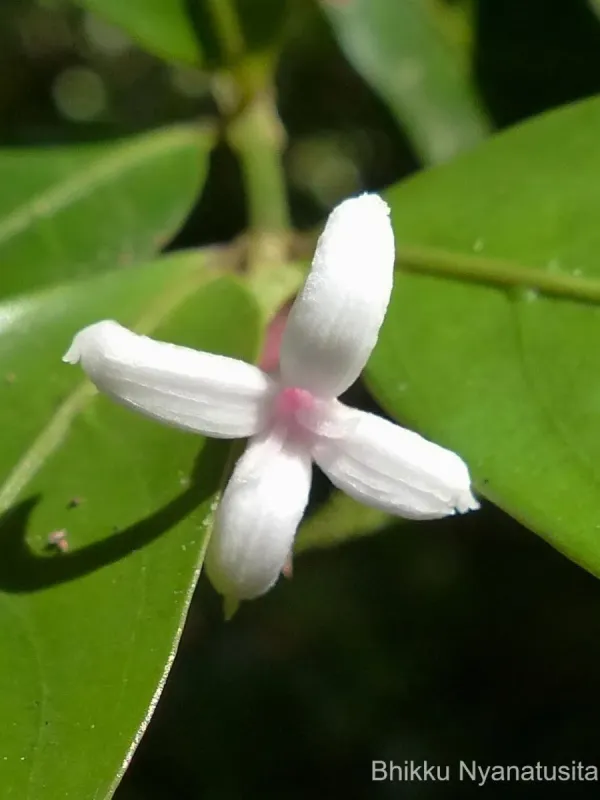
Description
Sowing dates
Gaertnera rosea is a fascinating species within the Rubiaceae family, primarily native to specific tropical ecosystems. Sowing in natural habitats is synchronized with the onset of the wet season.
When cultivating this species in a controlled environment, seeds require a stable, warm medium to break dormancy effectively.
The substrate must be light and porous, facilitating both moisture retention and oxygen access to the developing roots.
Germination success is highest when temperatures are kept steadily between 25 and 28 degrees Celsius, avoiding any rapid cooling during the night.
It is recommended to use specialized germination trays with covers to maintain a high humidity level required for the initial sprouting stage.
Growing requirements
This crop thrives under specific environmental conditions that mimic the understory of tropical forests, requiring high humidity and shade.
The soil pH should be kept on the acidic side, rich in decaying organic matter, which provides essential nutrients for healthy leaf development.
Drainage is a critical factor in the agricultural management of Gaertnera rosea, as waterlogged soil rapidly leads to root system failure.
Light levels should be carefully monitored; the plant exhibits signs of stress if exposed to direct sunlight for extended periods.
Regular fertilization with mild organic supplements during the active growing season supports the plant's structural integrity and foliage health.
Main diseases and pests
Fungal pathogens represent the most significant threat to the crop, particularly when ventilation is insufficient in the cultivation area.
Pests such as spider mites and scale insects can cause severe damage to the foliage, especially if the ambient humidity drops below optimal levels.
Poor sanitation practices can lead to the transmission of bacterial blights, which can cause sudden wilting and tissue necrosis in adult plants.
Nutritional deficiencies often present as interveinal chlorosis, which can be mitigated by adjusting the pH level and soil amendment composition.
Overcrowding within the cultivation plot can lead to poor air circulation, creating a breeding ground for various foliar diseases.