
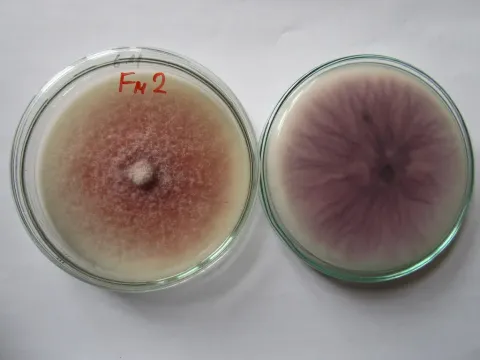
Fusarium
Fusarium
Fusarium is a genus of filamentous fungi within the Nectriaceae family, representing one of the most significant groups of plant pathogens worldwide. These fungi are not crops themselves but are major threats to virtually all cultivated plants, ranging from cereals to fruit and vegetable crops.
What the section contains

Fusarium
Originating from soil-borne environments, Fusarium species are found in a wide variety of habitats globally. They are highly adaptable, capable of surviving for long periods in soil by colonizing organic residues, which makes their eradication extremely challenging.
The development of the disease is strictly linked to environmental conditions, particularly high humidity and temperatures ranging from 15°C to 25°C. Stress conditions such as excessive moisture, poor soil aeration, or nutrient imbalances significantly heighten plant vulnerability to infection.
Successful management relies heavily on strict crop rotation and the selection of disease-resistant varieties. Agricultural practices must prioritize soil health, ensuring adequate drainage and the use of balanced fertilization to keep plants vigorous and resilient against fungal penetration.
Modern agrotechnology emphasizes the use of high-quality, treated seed materials. Proper seed disinfection is a critical first step in preventing the introduction of the pathogen into new areas and ensuring a healthy start for every crop cycle.
The primary threat posed by Fusarium is the production of mycotoxins in affected produce. These toxic compounds are hazardous to both human and animal health, often rendering the harvest entirely unsuitable for food or feed consumption, leading to severe economic losses.
Symptoms of the disease are diverse, including seedling blight, crown rot, root rot, and vascular wilt. The pathogen clogs the xylem vessels of the plant, cutting off nutrient and water supply, which inevitably leads to the plant's rapid wilting and eventual death.
Pests, particularly soil-dwelling larvae like wireworms, act as vectors by causing wounds in root systems. These wounds serve as entry points for the fungal mycelium, making pest control an essential component of an integrated disease management program.
Chemical control is performed using targeted systemic fungicides, such as triazoles or benzimidazoles. Timing is crucial; applications must be made preventively or at the very early onset of symptoms to be effective in protecting the plant tissue from colonization.
Cultural methods, such as removing infected debris and maintaining optimal soil pH through liming, further discourage the proliferation of the pathogen. Consistent field scouting is vital to detect hot spots of infection early and implement containment measures immediately.