
Fusarium head blight
Fusarium graminearum
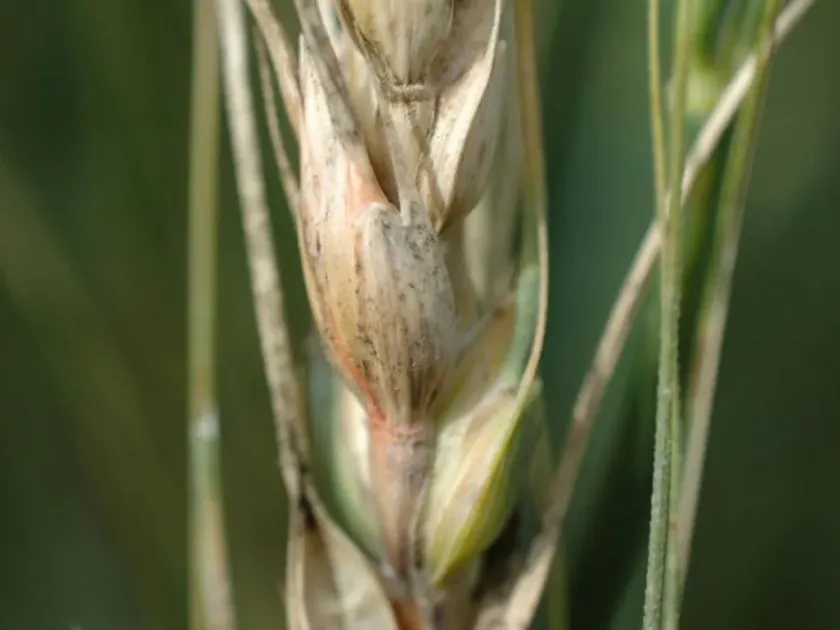
Description
Sowing dates
Fusarium head blight (FHB), caused by the fungus Fusarium graminearum, is a devastating disease affecting major cereal crops like wheat, barley, and rye. It relies on crop residues as a primary source for infection.
Strategic planting dates are vital to minimize the risk of infection. By adjusting the sowing time, farmers aim to ensure that the flowering phase does not coincide with peak sporulation periods.
Crop rotation serves as a fundamental management practice. Planting susceptible cereals after maize or in reduced-tillage fields significantly increases the risk of an outbreak.
Cultivating resistant varieties is a core component of sustainable management. Modern breeding programs prioritize traits that prevent fungal entry into the head.
Residue management, such as incorporating crop debris into the soil, speeds up decomposition and reduces the amount of inoculum present in the field.
Growing requirements
The prevalence of Fusarium graminearum is strictly dependent on weather conditions. High humidity levels, ideally above 80%, are required for the fungus to thrive and infect crops.
Warm temperatures ranging from +20°C to +28°C during the anthesis stage provide the perfect environment for the pathogen to colonize the plant tissue.
Frequent rainfall during the flowering period is the most significant factor, as it facilitates the spread of spores from the soil surface to the wheat heads.
Soil nutrient status and overall field health can influence the host plant's susceptibility, although climate remains the dominant factor in disease development.
Fields with significant surface stubble and high moisture retention are at a higher risk of disease development compared to those with better drainage and less residue.
Main diseases and pests
The primary concern associated with FHB is the contamination of grain with potent mycotoxins, such as deoxynivalenol (DON), rendering the crop unsuitable for human consumption.
Infected heads typically show symptoms of premature bleaching, leading to shriveled, lightweight kernels that possess poor germination potential and reduced quality.
Under humid conditions, a visible pink or orange fungal growth (mycelium) often appears on the glumes, indicating active sporulation and rapid progression of the disease.
The presence of this fungus results in substantial yield losses, affecting both the quantity and the economic value of the harvested grain.
Control strategies often involve applying fungicides during the early flowering stages to protect the heads from initial spore attachment and colonization by the pathogen.