
Frithia humilis
Frithia humilis
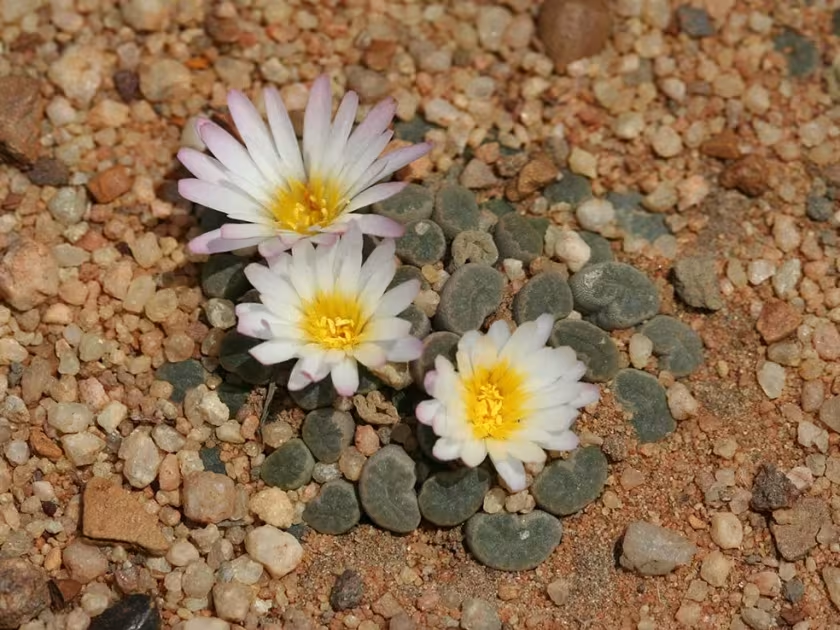
Description
Sowing dates
Sowing Frithia humilis seeds is best performed in the spring when daylight duration increases. The soil temperature should be maintained between 20 and 25 degrees Celsius for optimal germination.
The seeds are tiny and should be sown on the surface of a sandy, well-draining substrate without burial. Covering the container with a glass lid or plastic film helps maintain the necessary humidity levels.
Seedlings typically emerge within two weeks. Once they appear, it is essential to gradually introduce ventilation while maintaining moderate moisture levels to avoid damping-off disease.
Transplanting seedlings should be delayed until they are well-established, usually after six months. Young plants are sensitive to direct sunlight initially and require a period of acclimatization.
Using a sterile, mineral-rich medium is vital to prevent fungal infections. A mix of sand, perlite, and a small amount of potting soil provides the necessary environment for robust root development.
Growing requirements
Frithia humilis is a member of the Aizoaceae family and originates from the arid regions of South Africa. This succulent is highly adapted to intense light and periods of severe drought.
The plant requires full sun exposure throughout the year to maintain its compact shape. In indoor conditions, it thrives best on south-facing windowsills where it receives the most intense light possible.
The potting substrate must be extremely porous. A mixture consisting of 70% coarse sand or grit and 30% mineral soil is ideal. A thick drainage layer at the bottom of the pot is non-negotiable.
Watering must be sparse. The substrate should be allowed to dry completely between waterings. During winter dormancy, the plant should be kept almost dry to prevent rotting.
Temperature management is key: summer temperatures should be in the range of 22 to 28 degrees Celsius, while winter temperatures can safely drop to 12 degrees to simulate a resting period.
Main diseases and pests
The most significant threat to Frithia humilis is overwatering, which quickly causes root rot. Because the plant stores water in its leaves, it is highly sensitive to damp soil conditions.
Pests such as mealybugs or root mealybugs can infest the plant, especially if it is stressed or kept in poor ventilation. Regular inspection of the plant's base is highly recommended.
High humidity combined with poor airflow promotes fungal growth on the substrate surface. Ensuring good ventilation is crucial for the overall health of these succulents.
Any damage to the leaves provides an entry point for bacteria. If a leaf becomes damaged, it is best to keep it dry and monitor for signs of spread or softening.
Failure to provide a dry winter resting period can lead to weak, elongated growth and a lack of flowering. Proper seasonal care is essential for the longevity of the specimen.