
Freycinetia banksii
Freycinetia banksii
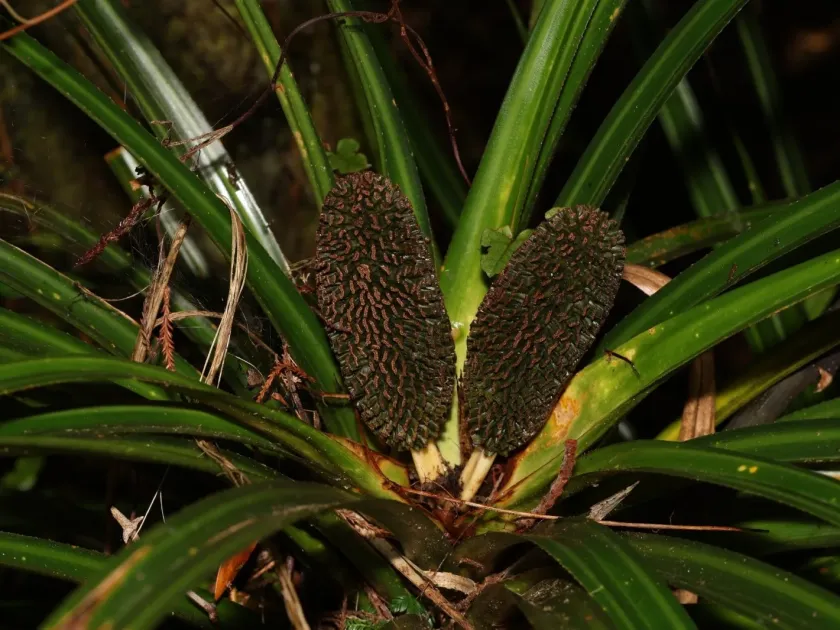
Description
Growing requirements
Freycinetia banksii, commonly known as kiekie, is a perennial evergreen climber belonging to the Pandanaceae family. Native to the forests of New Zealand, it is recognized for its thick, leathery leaves and characteristic aerial roots that allow it to scale host trees.
The climate requirements for this species are specific: it thrives in high humidity and moderate temperatures. In a controlled environment, it is essential to mimic its natural forest floor habitat by providing a well-draining, organic-rich growing medium that remains consistently moist but not waterlogged.
Proper light management is crucial for the health of Freycinetia banksii. It prefers bright, indirect light or dappled shade; exposure to intense, direct sunlight can damage the leaves, while insufficient light may result in leggy, weak growth patterns.
As a climbing plant, it requires sturdy vertical support. Whether growing in an indoor conservatory or a garden setting, the plant relies on its aerial roots to anchor itself, making the choice of support material important for overall plant structure.
Watering should be managed carefully, ensuring the substrate dries slightly between sessions. Proper air circulation around the foliage is also a key factor in preventing moisture-related stress and maintaining the structural integrity of the long, narrow leaves.
Main diseases and pests
The primary threats to Freycinetia banksii health are fungal pathogens, which typically thrive under conditions of poor ventilation and excessive moisture. Root rot is a common issue when soil drainage is inadequate or when the plant is kept too wet for too long.
Insect pests, particularly spider mites and scale insects, pose a significant risk in greenhouse environments. These pests thrive in dry air, causing leaf discoloration, stunting, and potential decline if infestations are not addressed promptly.
Proactive management of these threats involves monitoring the underside of the foliage and maintaining a consistent level of ambient humidity. Regular wiping of the leaves helps keep them clean and reduces the attractiveness of the plant to certain pests.
When pests are detected, biological control methods or soft insecticidal soaps are recommended. These approaches are safer for the plant’s foliage compared to harsh chemical treatments, which can cause chemical burns on the leathery leaves.
Sanitation is key to disease prevention. Using clean, sterilized tools for any pruning or propagation is essential to avoid the spread of bacteria or fungi between plants in a collection.
Harvesting
Historically, the edible parts of Freycinetia banksii, including the bracts and fruits, have been harvested as a seasonal food source. These components possess a sweet flavor and are often likened to tropical fruits, representing an important ethnobotanical asset.
The leaves of the plant are highly valued for their strong fibers, which have been traditionally used in Maori weaving arts. Harvest for these materials must be done sustainably to ensure the plant continues to grow and regenerate effectively over time.
Commercial harvesting is minimal, but the plant remains a popular subject for niche gardening. The "harvest" or maintenance pruning is necessary to shape the plant and remove old, damaged growth that can harbor potential pathogens.
Proper collection of the fruit requires identifying the stage of maturity when the bracts open, revealing the sweet flesh inside. The plant requires time to recover after significant harvesting of its foliage, necessitating a balanced fertilization regime.
For those growing it as an ornamental, harvesting is primarily focused on trimming to maintain a tidy appearance. This practice keeps the plant healthy and prevents it from overtaking its supporting structures in confined spaces.