
Firmiana simplex
Firmiana simplex
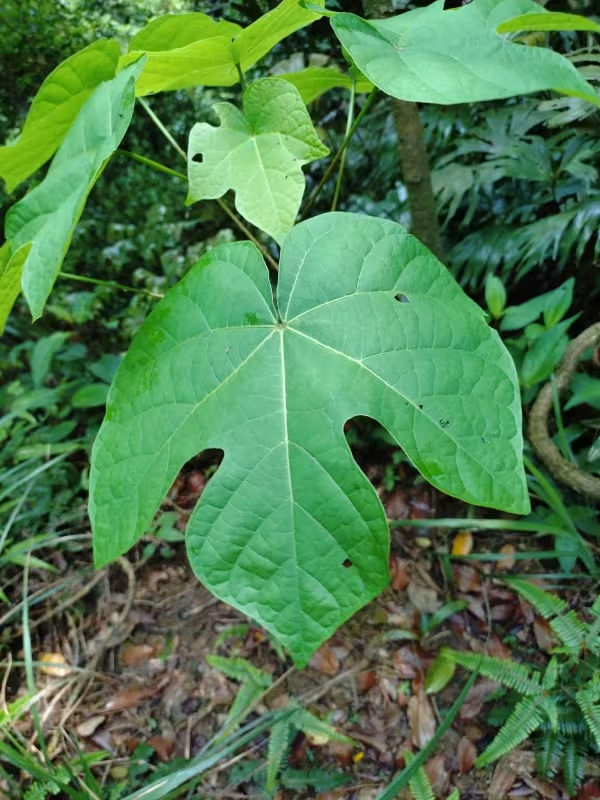
Description
Growing requirements
Firmiana simplex, commonly known as the Chinese parasol tree, is a deciduous tree belonging to the Malvaceae family. It is characterized by its distinct green, smooth bark and large, lobed leaves that resemble those of a sycamore tree, providing significant ornamental value in landscapes.
Native to eastern Asia, including China, Taiwan, and Japan, this species has been widely introduced to other temperate and subtropical regions. Its rapid growth rate and aesthetic structure make it a favored choice for large garden displays and urban avenue planting in suitable climates.
The tree thrives in full sun exposure, which is necessary for vigorous growth and leaf development. While it shows some tolerance to partial shade in its juvenile stage, consistent exposure to direct sunlight is crucial for the tree to produce its characteristic panicles of greenish-yellow flowers.
A well-draining, fertile soil with a neutral to slightly acidic pH is ideal for Firmiana simplex. It does not tolerate waterlogged conditions, as its root system is sensitive to prolonged moisture, which can trigger decay and reduce the overall lifespan of the specimen.
Climate requirements focus primarily on warmth. The plant is considered tender to frost and requires protection in regions where temperatures drop significantly below freezing. In areas with harsh winters, growers often maintain it in large containers, moving them to climate-controlled environments for the dormant season.
Main diseases and pests
Common pests that affect Firmiana simplex include aphids, which cluster on tender new foliage. These insects can stunt growth and cause leaf curling, requiring timely intervention to maintain the health of the young trees during the primary growing season.
Spider mites are another frequent problem, especially in dry and hot conditions. These small pests suck sap from the leaves, resulting in a stippled appearance and eventual leaf drop, which diminishes the tree's ornamental appeal during mid-summer.
Fungal diseases, such as leaf spot and various types of wood rot, can occur if the tree is subjected to poor air circulation or excessive moisture. These pathogens can weaken the structural integrity of the tree, potentially leading to branch dieback.
Integrated pest management strategies are recommended, focusing on maintaining tree vigor through appropriate fertilization and regular inspection. Keeping the area beneath the canopy free of debris helps reduce the reservoir for overwintering pests and pathogens.
In cases of severe infestation or infection, professional-grade horticultural oils or systemic fungicides may be necessary. Always follow label instructions and ensure that treatments are applied during periods of low insect activity to minimize impact on beneficial species.