
Firmiana malayana
Firmiana malayana
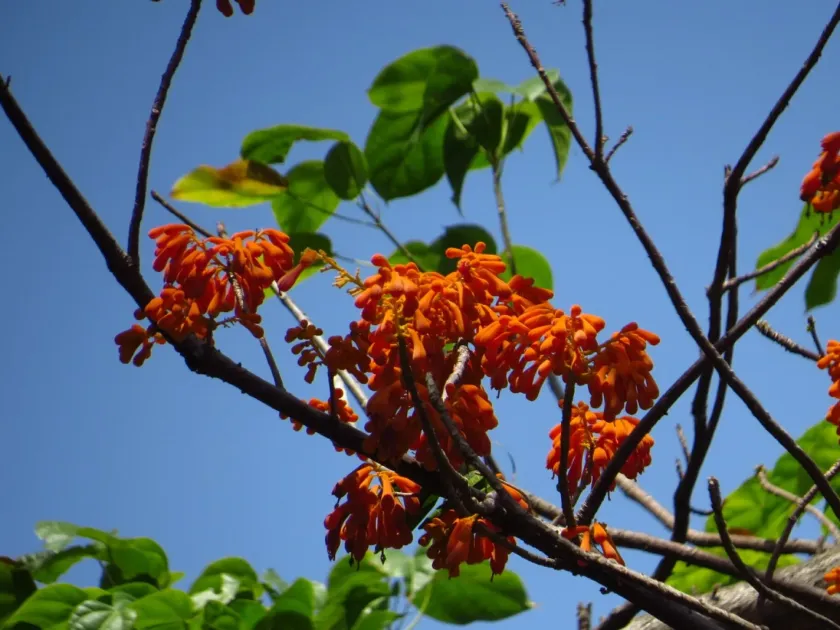
Description
Sowing dates
Propagation of Firmiana malayana is primarily conducted through seeds, which must be sown shortly after harvesting for optimal germination.
Seed preparation often involves mechanical scarification to break the dormancy caused by the hard seed coat, significantly improving seedling emergence.
Seeds should be planted in a well-drained, sterile substrate to prevent fungal infections that commonly affect young tropical seedlings.
Consistent temperatures ranging from 25°C to 30°C are crucial during the early stages of development to promote healthy and vigorous root growth.
- Use containers with proper drainage holes
- Maintain consistent humidity around the pots
- Provide bright, indirect sunlight until true leaves develop
Growing requirements
Firmiana malayana is a member of the Malvaceae family, adapted to the warm and humid conditions prevalent in Southeast Asian tropical regions.
The tree thrives in deep, fertile soils that are rich in organic matter and possess excellent permeability to water and nutrients.
Adequate sunlight is essential for photosynthesis; however, protection from intense midday sun during the initial growth phase is recommended.
The plant requires high humidity and is susceptible to physiological stress when exposed to prolonged drought or cold weather conditions.
Soil pH should ideally be neutral, as this range allows for the most efficient uptake of essential macronutrients and trace elements.
Yield
In forestry, Firmiana malayana is valued for its rapid biomass accumulation, providing timber that is appreciated for its lightweight characteristics.
The wood is frequently utilized in the production of lightweight crates, agricultural tools, and various woodcraft products due to its workability.
Beyond timber production, the tree serves as an essential component in urban forestry and tropical reforestation projects for landscape restoration.
The yield of biomass is dependent on site quality and management practices, including spacing between trees to minimize competition for light.
As a biological resource, the tree contributes to local economies through both direct timber sales and its aesthetic value in landscape design.
Main diseases and pests
The primary threats to Firmiana malayana in plantation settings include fungal leaf spot diseases that thrive in warm, humid tropical climates.
Pests such as scale insects and spider mites can infest the foliage, leading to stunted growth and reducing the overall vitality of the tree.
Root system issues, particularly those caused by waterlogged soil conditions, often result in lethal rot if not addressed through proper drainage.
Integrated Pest Management (IPM) strategies, including periodic inspection and cultural control, are vital for maintaining tree health in nurseries.
Environmental stress from pests can be mitigated by ensuring proper spacing, which improves airflow and reduces the micro-humidity around leaves.