
Firmiana colorata
Firmiana colorata
Description
Growing requirements
Firmiana colorata is a deciduous tree belonging to the Malvaceae family. It is native to the tropical and subtropical forests of South and Southeast Asia, including India, Myanmar, and Vietnam.
The crop prefers a warm, humid climate and well-lit areas, although it can tolerate light shade when young. The optimal conditions for growth are fertile, loose soils with good aeration and drainage to prevent moisture accumulation.
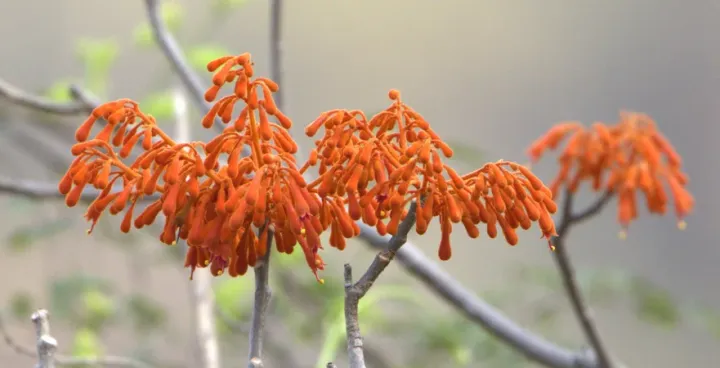
Botanically, the plant is distinguished by its spectacular flowering period, which occurs when the tree sheds its leaves. Bright orange or reddish flowers are gathered in dense panicles that cover the bare branches, giving the plant an exotic appearance.
In terms of agricultural practice, it is important to provide regular watering during dry periods, although mature specimens show moderate resistance to short-term moisture deficits. The crop is grown both for ornamental purposes and for wood production.
Economic uses include landscaping of parks and urban avenues, where Firmiana is valued for its high aesthetic appeal. The wood of the plant is lightweight, making it suitable for manufacturing light furniture and packaging materials.
Main diseases and pests
The primary threat to the crop includes fungal infections caused by waterlogging of the root system during the dormant period. It is essential to apply preventive fungicide treatments and monitor soil structure closely.
Among pests, sap-sucking insects such as aphids and scale insects frequently attack young shoots and leaves. At the first sign of infestation, it is necessary to apply systemic insecticides or biological control agents.
Leaf-eating caterpillars can cause damage to the foliage during the active growing season, significantly reducing the tree's ornamental value. Regular crown inspection and timely pruning of damaged branches are key control methods.
In regions with cold winters, young saplings may suffer from frost, so covering the base with mulch during the first years of life is required. This protects the roots from sharp temperature fluctuations and helps the plant adapt better.
To prevent the spread of diseases, it is important to maintain proper spacing during planting to ensure good air circulation. Dense plantings often become an ideal environment for the development of various pathogens.