
Thunberg's sarmentose fig
Ficus sarmentosa Buch.-Ham. ex Sm. var. thunbergii (Maxim.) Corner
Description
Growing requirements
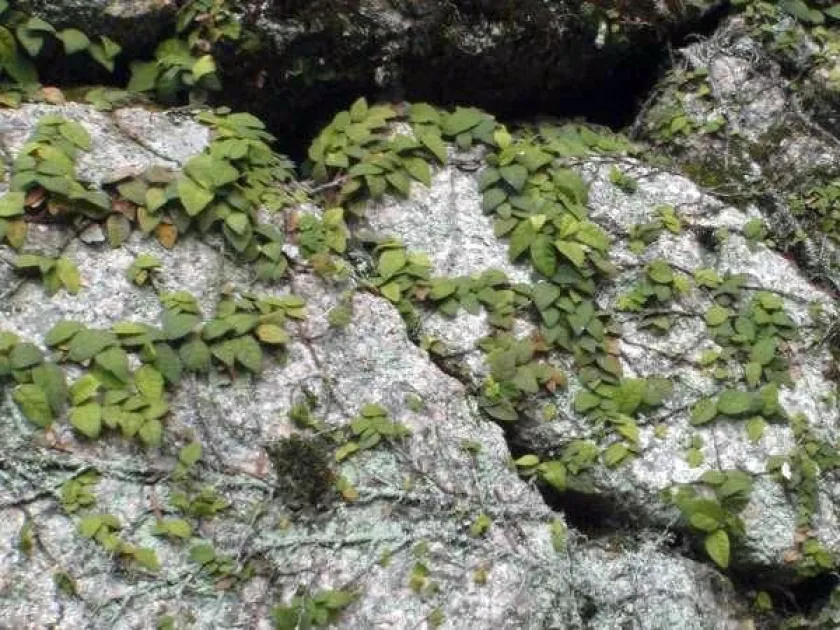
Thunberg's sarmentose fig, botanically classified as Ficus sarmentosa var. thunbergii, is a woody climbing plant belonging to the Moraceae family. Originating from East Asia, this species has adapted to diverse habitats, ranging from dense forest floors to rocky mountain slopes.
The plant thrives in environments that mimic its native sub-tropical climate, requiring filtered sunlight to maintain its dense foliage. Exposure to harsh, direct sunlight can damage the leaf tissue, so strategic placement is crucial for healthy plant development.
Soil requirements for this variety are centered on excellent drainage and moisture retention. The plant performs best in nutrient-rich substrates with a slightly acidic profile, which provides the necessary mineral intake for vigorous stem elongation and leaf production.
Agricultural management requires careful attention to irrigation schedules. During the peak growth season, the soil should be kept consistently moist but never waterlogged. This balance is vital to prevent root rot, which is a common issue in poorly drained substrates.
Pruning is an essential part of the maintenance routine for this species. Regular trimming encourages lateral branching, leading to a denser habit that is highly valued for both ornamental ground cover and vertical wall covering in landscape architecture projects.
Main diseases and pests
Pest management is a critical aspect of cultivating this fig variety. Spider mites are the most prevalent threat, especially in low-humidity environments. They can cause significant yellowing and shedding of leaves if not addressed with appropriate acaricides or consistent misting.
Fungal pathogens such as leaf spot and powdery mildew may emerge under conditions of poor air circulation and high humidity. Ensuring adequate spacing between plants and implementing preventive sanitation practices are the primary methods for mitigating these biological risks.