
Ficus lingua
Ficus lingua warb ex De Wildeman & T. Dur
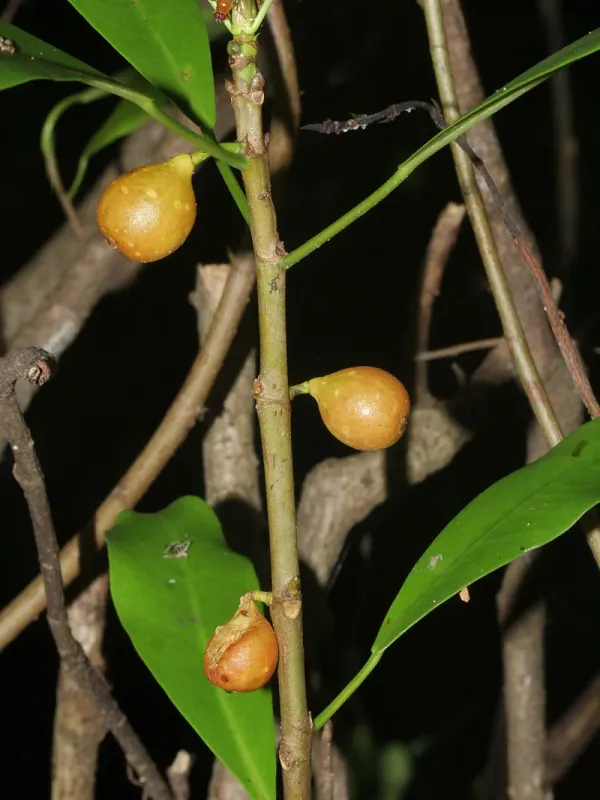
Description
Growing requirements
Ficus lingua (Ficus lingua Warb ex De Wildeman & T. Dur) is a distinctive species belonging to the Moraceae family. It is native to tropical regions of Africa, specifically found in rainforest ecosystems where humidity and precipitation levels remain high year-round.
The climate requirements for this culture are strictly tropical. It thrives in ambient temperatures between 22°C and 28°C and exhibits poor growth if exposed to cold drafts or temperatures below 15°C for extended periods.
Cultivation necessitates a soil medium that is rich in organic matter but maintains excellent drainage. A mix of peat, bark, and perlite is often utilized to replicate the natural epiphytic or forest-floor conditions the plant encounters in the wild.
Regarding light, Ficus lingua prefers bright, indirect light. While it can tolerate deeper shade, its physiological processes are most efficient when provided with adequate, non-scorching sunlight, essential for leaf development.
Water management is critical for this species. The root system is sensitive to waterlogging, necessitating a balance where the substrate is kept consistently moist but never saturated. Proper drainage holes and aeration are essential agronomic standards.
Main diseases and pests
Ficus lingua is susceptible to various fungal pathogens when airflow is insufficient. Leaf spot diseases are common when humidity is too high without adequate ventilation, creating a breeding ground for spores.
Common pests affecting this plant include spider mites, mealybugs, and scale insects. These organisms thrive in the same stable, warm conditions required by the plant, often leading to infestations if left unchecked.
Effective management strategies include maintaining hygiene within the growing facility. Regular removal of dead or decaying plant matter reduces the risk of fungal spread throughout the crop.
Biological controls, such as predatory mites, can be used to manage spider mite populations. For more severe infestations, systemic insecticides labeled for ornamental or indoor tropical crops should be applied.
Monitoring the undersides of the leaves remains the most effective diagnostic practice for any agronomist or grower. Early detection prevents the need for heavy chemical applications later in the production cycle.