
Ledebour's lesser celandine
Ficaria ledebourii
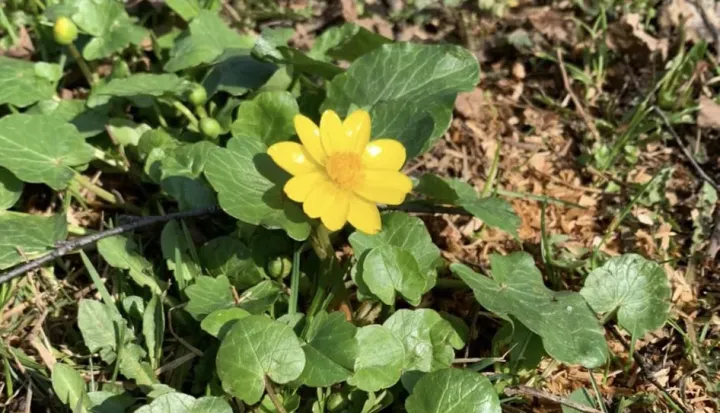
Description
Growing requirements
Ledebour's lesser celandine (Ficaria ledebourii) is a perennial herbaceous plant belonging to the Ranunculaceae family. It functions as a spring ephemeral, completing its vegetative cycle quickly before the canopy of trees fully closes and shades the forest floor.
Botanically, the plant is distinguished by its fleshy, tuberous roots that store water and nutrients, which is an essential adaptation for survival during the dormant season. The leaves are typically basal, glossy, and cordate, providing an effective surface for rapid photosynthesis during the cool, wet spring weather.
The species is primarily distributed in temperate regions, thriving in damp, nutrient-rich soils. It is often found in river valleys and deciduous woodlands where the soil remains moist throughout the early part of the year, supporting the rapid growth of the aerial parts.
Agricultural and gardening requirements for Ficaria ledebourii include partial shade and well-draining soil. It is crucial to maintain moisture during the spring months, followed by a dry period when the plant enters dormancy, preventing the tuberous roots from rotting due to waterlogging.
While primarily cultivated as an ornamental plant for woodland gardens, its use is limited by its ephemeral nature. Because it contains protoanemonin, care should be taken to avoid skin contact and ensure it is not accessible to grazing animals, as it can be toxic if consumed in large quantities.
Main diseases and pests
Fungal diseases, particularly root rots triggered by stagnant water, are the primary threats to the health of Ledebour's lesser celandine. Ensuring proper soil structure and drainage is the best preventative measure for maintaining a healthy plantation.
Pests are generally not a significant concern for this species, as it produces chemical compounds that deter most insects. However, slugs and snails can feed on young foliage during damp spring weather, potentially disfiguring the plant's appearance.
Management of pest damage involves maintaining clean cultivation areas free from excessive leaf litter or weeds that provide shelter for gastropods. Physical barriers or organic molluscicides may be used if the infestation reaches significant levels.
Soil compaction can lead to poor aeration, hindering the development of the tuberous root system. Periodic soil amendments, such as organic compost, help keep the substrate loose and nutrient-rich, supporting vigorous plant development each year.
Monitoring the growth cycle ensures that interventions occur at the right time. By providing an environment that mimics their natural forest habitat, growers can minimize risks and enjoy the early spring beauty of this unique Ranunculaceae species.