
Lesser celandine
Ficaria ficarioides
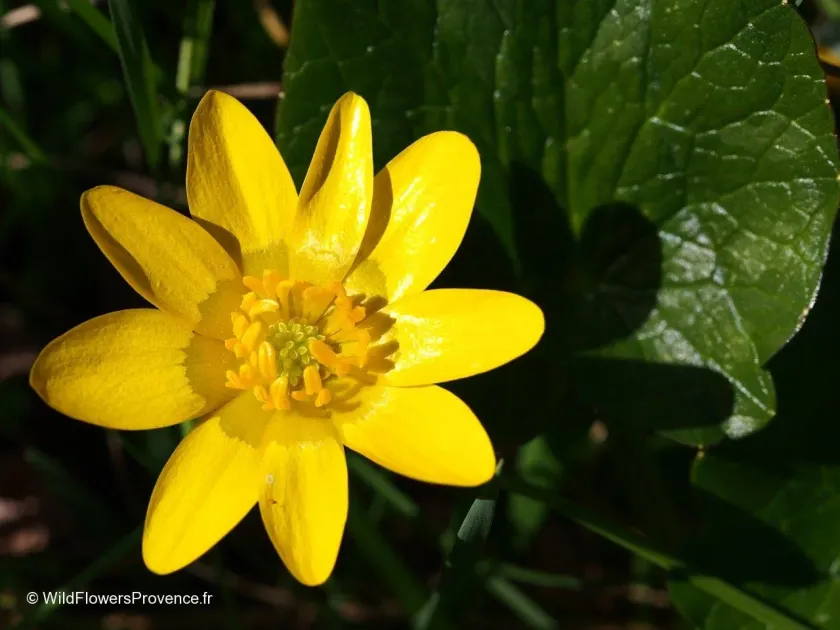
Description
Growing requirements
Lesser celandine (Ficaria ficarioides) is a herbaceous perennial plant belonging to the Ranunculaceae family. It is characterized by its ephemeral life cycle, often completing its growth before the forest canopy fully closes.
The plant features distinctive tuberous roots that serve as nutrient storage organs, allowing for rapid emergence in early spring. The aerial parts wither completely after the reproductive phase, leaving only the roots in the ground.
In terms of habitat, this species thrives in moist, temperate environments. It is best suited for sites with rich, loamy soils that maintain high moisture levels throughout the brief growing season.
Light requirements are relatively low; the species is adapted to shade or partial shade. Exposure to intense, direct sunlight can accelerate senescence and drastically reduce the quality of the vegetative yield.
Agronomic management requires consistent moisture monitoring. Soil aeration is critical to ensure root health, and the site selection should avoid areas prone to prolonged flooding or water stagnation.
Main diseases and pests
Fungal diseases such as powdery mildew are the primary threat to healthy growth. These infections are often triggered by poor ventilation and high humidity levels around the foliage.
Slugs and snails are the most significant pests, often causing severe defoliation during the early spring development period. Root-feeding larvae may occasionally impact the health of the tuber system.
Integrated pest management should prioritize cultural practices, including cleaning debris and selecting well-draining soil, to mitigate the risk of pathogen build-up.
When chemical intervention is necessary, timing is crucial. Applications must occur outside of the peak growth period to avoid damage to the tender tissue of the plant.
Maintaining optimal plant density is essential for ensuring proper airflow, which significantly reduces the incidence of fungal outbreaks during damp spring months.