
Fibigia clypeolata
Fibigia clypeolata
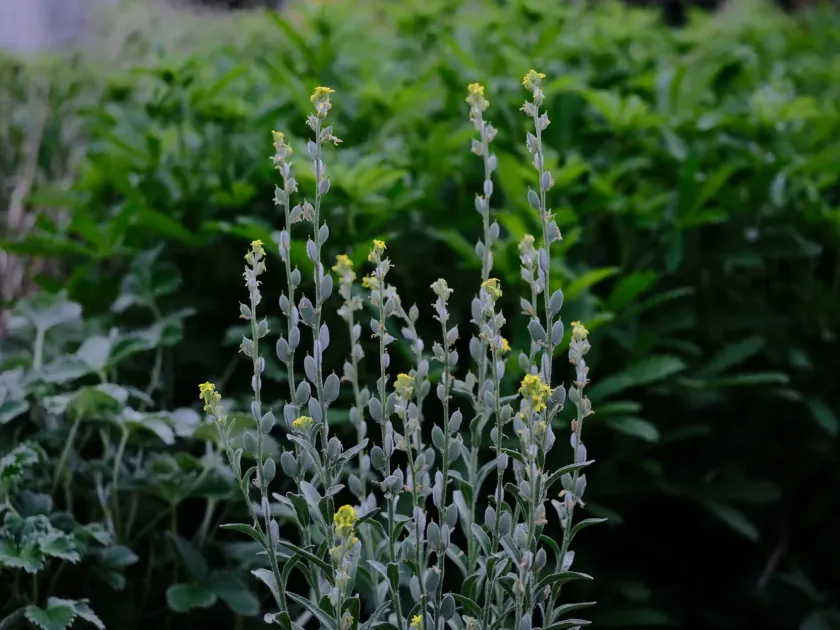
Description
Growing requirements
Fibigia clypeolata is a perennial herbaceous plant belonging to the Brassicaceae family. It is native to the mountainous regions of the Caucasus and Western Asia, where it typically inhabits rocky slopes and limestone scree slopes.
This species requires well-drained, alkaline, and gritty soils to thrive. It is exceptionally well-adapted to poor soil conditions where moisture drainage is high, making it unsuitable for heavy clay or waterlogged garden areas.
In terms of climate, it requires full sun exposure to maintain its compact habit and silver-grey foliage color. It is highly drought-tolerant, having evolved to survive with minimal rainfall during the summer dormant periods in its natural range.
Botanically, it forms a small shrub-like clump. The leaves are covered with fine, silver hairs that serve as a natural mechanism to reduce transpiration. During the flowering stage, it produces spikes of yellow flowers typical for the family.
In modern cultivation, it is highly regarded for rock gardens and xeriscaping. Its ability to thrive in harsh conditions makes it an excellent choice for low-maintenance landscapes where aesthetic appeal and resilience are priorities.
Main diseases and pests
The primary threat to Fibigia clypeolata is root rot caused by poor soil drainage. If the soil remains saturated for long periods, the root system quickly succumbs to fungal pathogens, leading to sudden plant decline.
Flea beetles are the most frequent pests, especially during the seedling stage. These insects feed on the leaves, creating small holes and weakening the plant if infestations are not addressed in a timely manner.
Aphids can occasionally cluster on tender new growth, particularly in spring. While they rarely kill the plant, they can distort foliage growth and reduce the overall aesthetic quality of the perennial.
Fungal diseases such as downy mildew can occur if there is inadequate airflow around the plants. Planting with proper spacing is essential to ensure that leaves dry out quickly after rainfall or heavy dew.
Integrated pest management, including regular inspection and manual removal of pests or affected tissues, is recommended before resorting to chemical controls. Maintaining dry conditions around the crown of the plant is the best preventive measure.