
Fibigia clypeata
Fibigia clypeata
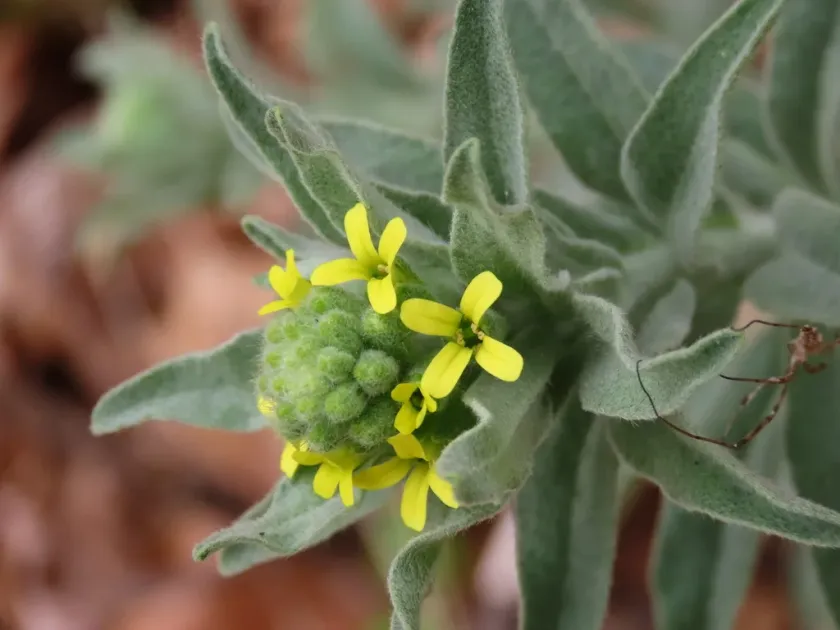
Description
Sowing dates
Fibigia clypeata is a resilient perennial herbaceous plant belonging to the Brassicaceae family. It is increasingly popular in landscape design and experimental plots due to its silver-toned foliage and unique seed pods, which add texture to any garden space.
The optimal time for sowing is during the spring season when the ground has warmed up sufficiently. Seeds should be sown at a shallow depth of 1-2 centimeters in well-drained, sandy, or gritty soil to mimic its natural environment and encourage germination.
For uniform field crops, maintain a row spacing of approximately 30-40 centimeters. Proper spacing is essential to allow adequate airflow, which is critical for preventing fungal diseases in this species. Thinning out overcrowded seedlings is a standard practice.
The germination process typically occurs within two weeks under favorable temperatures. During the early stages, it is important to keep the soil slightly moist but never waterlogged to ensure the young root system is established properly.
Once established, the plant develops a rosette of silver-hued leaves in its first year. By the second season, it will produce tall, striking inflorescences, provided the site receives ample direct sunlight throughout the day.
Growing requirements
This plant thrives in sunny locations and requires well-drained soil. It is particularly well-suited for xeriscaping because of its remarkable ability to withstand prolonged dry spells and heat without supplemental irrigation once fully grown.
Soil requirements for Fibigia clypeata are minimal; it prefers gritty, porous soils with a neutral to alkaline pH level. It struggles in heavy, water-retentive clay soils, which can lead to root rot during the dormant winter months.
Direct sunlight is the most significant factor for successful growth. The plant needs full exposure to sun to maintain its compact habit and the dense, silvery pubescence on its leaves, which is its primary defense against transpiration.
Watering should be minimal after the first year. Overwatering is the most common cause of failure in cultivating this species. It is designed by nature to draw nutrients from lean soils, so fertilizers are rarely needed and should be used with extreme caution.
In regions with harsh winters, providing protection from excessive moisture is more important than protection from cold. Ensuring the soil does not freeze while saturated with water is the key to overwintering success for this perennial.
Main diseases and pests
The main threats to Fibigia clypeata are soil-borne pathogens and root rot, often triggered by excessive soil moisture and poor drainage. Ensuring that the area has a high level of air circulation is the best preventative strategy.
Cruciferous pests, such as flea beetles, are common enemies of this species. They can cause characteristic small holes in the foliage during the spring. Monitoring is essential, especially when the plant is still in its early growth phase.
Aphids can occasionally cluster on the flower stalks, particularly during periods of fast spring growth. While usually not fatal, heavy infestations can reduce the aesthetic value of the plant and should be addressed if necessary.
Maintaining a clean garden bed by removing weeds is vital. Weeds can harbor insects and diseases, and they also compete with Fibigia for sunlight and airflow. Proper maintenance significantly reduces the need for chemical interventions.
Crop rotation is advisable if Fibigia is being grown for seed production. Avoiding sites where other Brassicaceae (such as cabbage, mustard, or radish) have recently grown prevents the buildup of soil-borne pathogens specific to the family.
Harvesting
Harvesting for seeds takes place in late summer or early autumn. The pods, which are flattened and shield-shaped, should be collected when they turn from green to a straw-yellow color to prevent premature shedding in the field.
The dried pods are highly decorative and are frequently harvested for use in dried flower arrangements. Their unique shape makes them a favorite among florists who specialize in natural, minimalist, or rustic styles.
To collect the seeds, remove the stems after they have partially dried and place them in paper bags to finish the drying process indoors. Once fully dried, the pods can be easily threshed to release the small seeds.
Store the harvested seeds in a cool, dry, and dark location in airtight containers. When stored correctly, the seeds of Fibigia clypeata remain viable for several years, allowing for future planting cycles or seed sharing.
After the harvest, prune back the spent stems to the base of the rosette. This promotes a tidy appearance and directs the plant's remaining energy back into the root system, ensuring its vigor for the following growing season.