
Fevillea trilobata
Fevillea trilobata
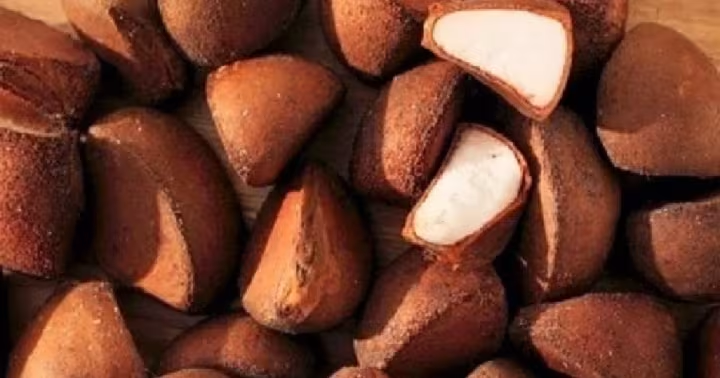
Description
Sowing dates
Fevillea trilobata is a perennial tropical vine belonging to the Cucurbitaceae family. In nature, it propagates mainly through seeds, which require specific moist and warm conditions to germinate effectively.
The optimal time for sowing is at the beginning of the rainy season when soil temperatures are consistently high. Seeds should be planted at a depth of 3–5 cm in loose, nutrient-rich soil to ensure proper root development.
As a vigorous climbing plant, Fevillea requires sturdy support structures. Providing a spacing of at least 3 meters between plants is essential to facilitate air circulation and allow sufficient room for the vine's rapid biomass expansion.
Seedlings typically emerge within two to three weeks. During this early stage, maintaining moderate soil moisture is crucial, as both waterlogging and excessive drought can severely hinder the young vine’s growth rate.
Partial shading for young seedlings is highly recommended to protect them from harsh, direct sunlight. Natural canopy or artificial shading nets help establish a microclimate conducive to healthy early development.
Growing requirements
As a strictly tropical species, Fevillea trilobata does not tolerate frost. Successful cultivation requires temperatures between 25°C and 30°C throughout the entire growing season to prevent metabolic stress.
The plant thrives in well-drained, fertile loamy soils with a near-neutral pH. Proper drainage is the most critical factor, as stagnant water around the root zone quickly leads to root rot and vine decline.
High relative humidity is necessary for the plant’s health. During dry spells, supplemental irrigation is mandatory. Drip irrigation systems are preferred to keep the soil consistently moist without wetting the foliage excessively.
Full solar exposure is required for optimal fruit set and oil accumulation in the seeds. While mature vines can tolerate some filtered light, maximum yields are only achieved in full-sun locations.
Regular fertilization with organic matter is advised twice annually to support the plant's intense growth. Applying compost or mulch helps maintain soil structure and provides a slow release of essential nutrients.
Yield
The economic value of Fevillea trilobata lies in its large, seed-rich fruits. The seeds are highly prized for their high oil content, which is used for both medicinal and technical applications in various regions.
Yield capacity increases steadily as the vine matures, reaching its peak productivity after approximately four years of growth. A healthy, mature plant can produce dozens of fruits per season when properly managed.
Harvesting should occur only when the fruit reaches full maturity, indicated by a firm, brown-colored shell. Harvesting too early results in low oil quality and lower seed viability for future propagation.
Total yield is highly dependent on effective pollination and the availability of water during the fruit development phase. Consistent moisture ensures the proper filling of seeds within the fruit chambers.
Proper post-harvest processing is essential for maintaining yield value. After the fruits are collected, they must be stored in a dry, ventilated area to allow the seeds to mature fully inside the husks.
Main diseases and pests
Fungal diseases are the primary threat to Fevillea plantations, especially in high-humidity climates. Powdery mildew often attacks the leaves, significantly reducing the plant's ability to photosynthesize effectively.
Root rot, caused by various soil-borne pathogens, poses a major risk if drainage is poor. To manage this, planters should regularly inspect for yellowing leaves and ensure the soil remains airy.
Insect pests, particularly beetles and aphids, may target young shoots and flowers. Integrated Pest Management (IPM), including the use of neem oil or other botanical extracts, is effective for controlling populations.
Nematodes can cause significant damage to the root system, leading to stunted growth. Crop rotation and the use of clean, disease-free starting materials are the best preventative measures against soil-borne infestations.
Sanitary pruning is a critical maintenance practice. Removing dead or infected plant parts prevents the spread of pathogens, ensuring the long-term health of the entire vine canopy.
Harvesting
Manual harvesting is the standard method for collecting the heavy fruits of Fevillea. Care must be taken when accessing the vines, as they can grow to significant heights in canopy environments.
After picking, fruits must be kept in a dry place to cure for several weeks. This curing process is essential to facilitate the easier extraction of seeds without causing damage to the kernels.
Once extracted, the seeds must be thoroughly dried to prevent the fatty acids from going rancid. Proper drying techniques ensure the stability of the oils stored within the seeds for long-term use.
Quality control during harvest involves separating healthy, plump seeds from damaged ones. Uniformity in the harvest ensures consistent oil output and higher market value for the final product.
Storage in cool, dark, and airtight containers is necessary to preserve the medicinal properties of the seeds. By following these steps, producers can maintain the high quality of the harvested crop.