
Fevillea cordifolia
Fevillea cordifolia
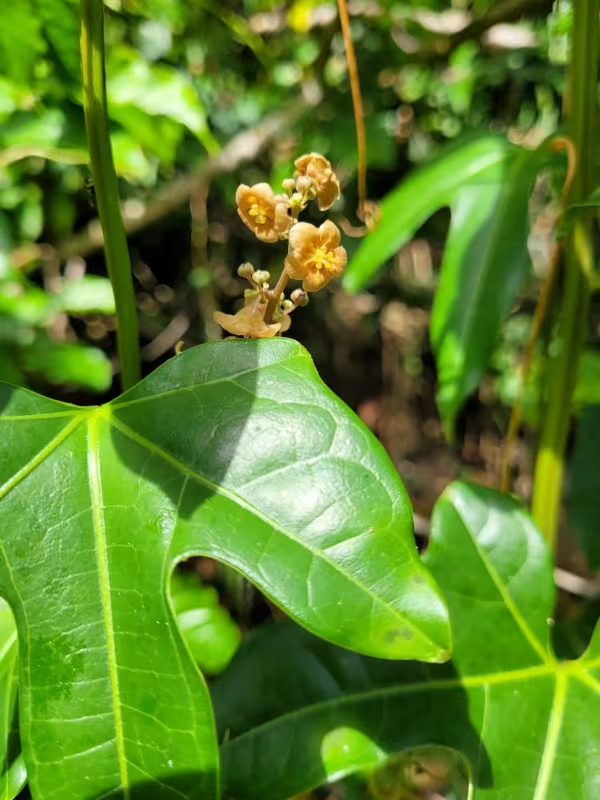
Description
Growing requirements
Fevillea cordifolia is a vigorous perennial climbing vine belonging to the Cucurbitaceae family. It is native to the tropical regions of Central and South America, where it thrives in the dense canopy of tropical rainforests, utilizing large trees for structural support.
The plant requires a specific microclimate characterized by high annual temperatures and consistent humidity. Ideal soil conditions for successful cultivation involve rich, well-draining substrates with high organic content to sustain the rapid biomass production typical of this species.
Botanically, it is defined by its heart-shaped leaves and long, climbing stems that possess specialized tendrils. The vine plays a critical role in its ecosystem, producing large, gourd-like fruits that contain oil-rich seeds, which are the primary focus of its economic value.
In terms of agricultural utility, Fevillea cordifolia is primarily recognized for its potential as a source of fatty acids. Indigenous communities have historically used extracts from its seeds for various therapeutic purposes, particularly as a traditional remedy for toxicity and dermatological issues.
Agrotechnical management in commercial settings is highly specialized due to the plant's strict environmental needs. It is essentially a frost-sensitive crop, requiring sheltered locations and careful monitoring of irrigation to prevent waterlogging, which the plant does not tolerate well.
Main diseases and pests
The primary threats to this crop include various fungal diseases that flourish in the high-humidity environments where the plant grows. Leaf spot and root rot are the most frequent pathogens that can significantly undermine plant health if proper air circulation is not maintained.
Common agricultural pests affecting the Cucurbitaceae family are also problematic for this species. These include sap-sucking insects and leaf-eating caterpillars, which require diligent pest management strategies, particularly in the early stages of plant development to ensure high seed yields.