
Fatsia polycarpa
Fatsia polycarpa Hayata
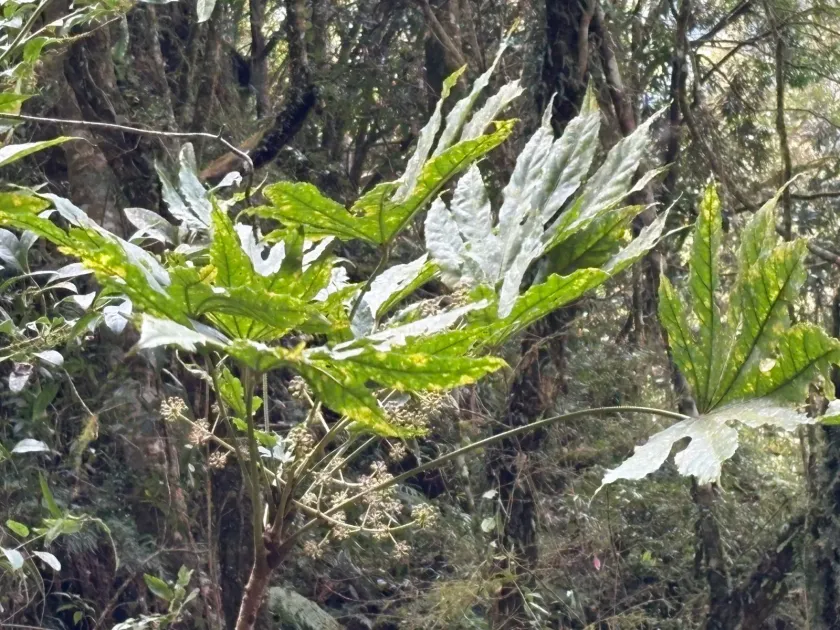
Description
Growing requirements
Fatsia polycarpa is a notable evergreen shrub belonging to the Araliaceae family. Native to the mountainous regions of Taiwan, this species is highly valued for its striking, deeply lobed, palm-like foliage that creates a lush, tropical aesthetic.
To successfully cultivate this crop, it is essential to replicate its natural environment. The plant thrives in cool to moderate temperatures and requires a sheltered location protected from harsh winds and direct afternoon sunlight, which can scorch its large leaves.
Soil requirements focus on high organic matter content and excellent drainage. A loose, loamy substrate enriched with compost is ideal for development. Proper drainage is crucial, as the roots are sensitive to waterlogging, which often leads to rapid decay.
The agricultural practice for Fatsia polycarpa includes regular, controlled irrigation and high humidity levels. In greenhouse or nursery settings, supplemental misting or the use of humidifiers is often necessary during warmer months to maintain the plant's health.
The primary horticultural use of this plant is in the landscape and nursery industry. It is frequently utilized in temperate gardens or as an ornamental container plant, chosen specifically for its architectural impact in shaded or semi-shaded garden designs.
Main diseases and pests
Fatsia polycarpa is prone to common greenhouse pests such as spider mites, aphids, and scale insects. These pests often proliferate in environments with low humidity, necessitating careful monitoring and prompt application of horticultural oils or soaps if infestation occurs.
Root rot is the most significant pathological threat to the plant, usually triggered by improper soil moisture management. Ensuring good aeration in the growing medium and avoiding standing water is the most effective preventative measure against fungal complications.