
Apache Plume
Fallugia
Apache Plume (Fallugia paradoxa) is a unique deciduous shrub belonging to the Rosaceae family. Native to the southwestern United States and northern Mexico, it is highly prized for its exceptional drought tolerance and ornamental value.
What the section contains

Apache Plume
This species thrives in well-drained, gritty, or rocky soils. It is perfectly adapted to arid environments and struggles significantly in heavy or clay-rich soils that retain excessive moisture during the winter months.
Sunlight is a fundamental requirement for this plant. It should be placed in areas with full sun exposure to maintain its vigorous growth, promote structural integrity, and ensure the development of its signature white flowers.
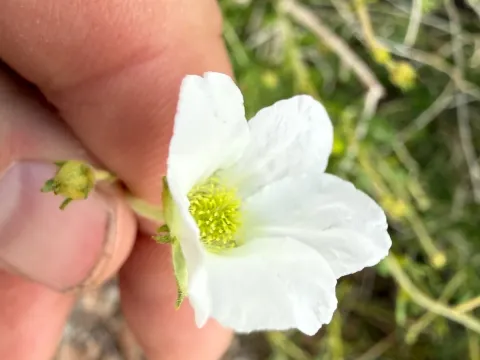
Botanically, it features finely divided, leathery foliage and small, five-petaled white flowers. The most distinct feature is the feathery, pinkish-purple plume-like fruit that develops after flowering, creating a dramatic visual effect.
In agricultural and landscaping contexts, it is widely used for erosion control on slopes and as a structural element in xeriscapes. It requires almost no supplemental irrigation once fully established in the landscape.
The primary threat to Apache Plume is soil saturation. Poorly drained soil frequently leads to root rot, which is the most common cause of premature death for this species in managed garden environments.
While remarkably resistant to common pests, the plant may occasionally be affected by aphids during very dry spells. However, such infestations rarely warrant chemical intervention due to the plant's natural vigor.
Fungal infections can occur if the shrub is planted in an area with poor airflow. Maintaining sufficient spacing between specimens is essential to allow the foliage to dry out quickly after rainfall.
Over-fertilization is a major mistake that can negatively impact the plant's health. High nitrogen levels stimulate excessive succulent growth, which makes the plant more susceptible to diseases and winter damage.
Monitoring the soil moisture levels during the establishment phase is critical. Once the root system is deep and well-developed, the plant becomes nearly self-sufficient and resistant to most biotic stressors.