
Fallopia dentatoalata
Fallopia dentatoalata
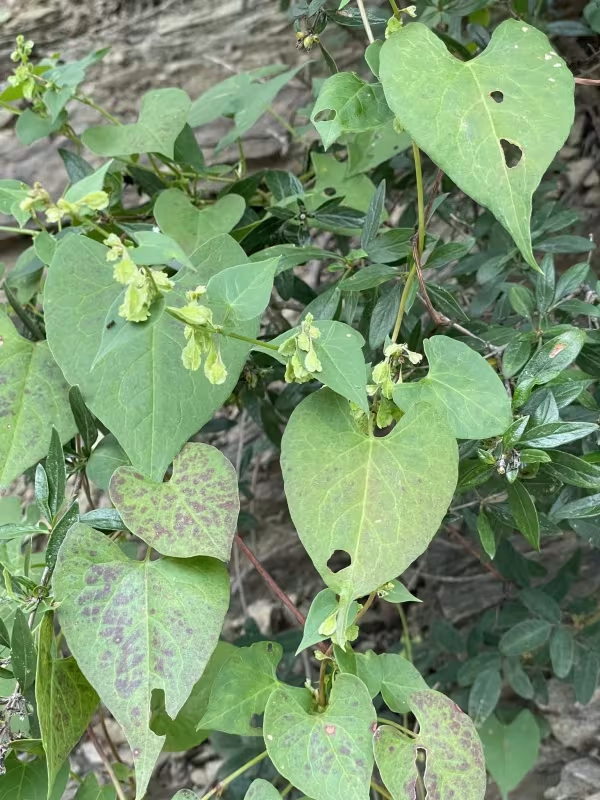
Description
Sowing dates
Fallopia dentatoalata is a herbaceous plant belonging to the Polygonaceae family. As a crop, it requires specific environmental conditions to achieve optimal growth and productivity throughout its lifecycle.
Sowing should be carried out in the spring when soil temperatures reach a stable level conducive to germination. The timing depends heavily on the local climate and the specific characteristics of the chosen field site.
The seeds should be planted at a precise depth to ensure healthy emergence. Proper spacing between rows is essential for efficient resource utilization, including light, water, and soil nutrients.
Uniformity in sowing depth and density is critical for maximizing field performance. Agronomists recommend calibrating sowing equipment to ensure consistent seed distribution across the entire planted area.
Rapid establishment of the crop is advantageous for suppressing weed populations early in the season. Proper site preparation before sowing plays a major role in achieving this goal.
Growing requirements
This crop thrives in fertile, well-draining soils with a balanced nutrient profile. The soil structure should allow for good root penetration, which is essential for the plant's overall vigor.
Water management is a key requirement for Fallopia dentatoalata. While the plant can withstand moderate dry spells, regular irrigation during critical growth stages significantly improves yield.
Sunlight exposure is another important factor. The plants require high levels of solar radiation to sustain the metabolic processes involved in building vegetative and reproductive mass.
Agronomic management includes regular inter-row cultivation to manage soil crusting and improve aeration. This practice also helps in managing moisture levels within the root zone.
Fertilization regimes should be based on soil testing results. Providing adequate amounts of nitrogen, phosphorus, and potassium at the right time is crucial for healthy crop development.
Main diseases and pests
Crop health is often challenged by fungal infections in environments with high humidity and poor air circulation. Implementing proper field hygiene and using preventive fungicides are standard practices.
Pests such as aphids or other leaf-eating insects may cause significant damage if populations remain uncontrolled. Early detection through regular field scouting is essential for effective intervention.
Root diseases resulting from soil pathogens or improper drainage can severely impact plant development. Ensuring proper drainage is a fundamental step in preventing these threats.
Integrated pest management strategies are highly recommended to balance the need for crop protection with environmental sustainability and yield quality.
Continuous monitoring of the crop's physiological state allows for timely adjustments in agricultural operations, helping to mitigate various environmental and biological stressors.