
Azolla caroliniana
Azolla caroliniana Willd.
Description
Sowing dates
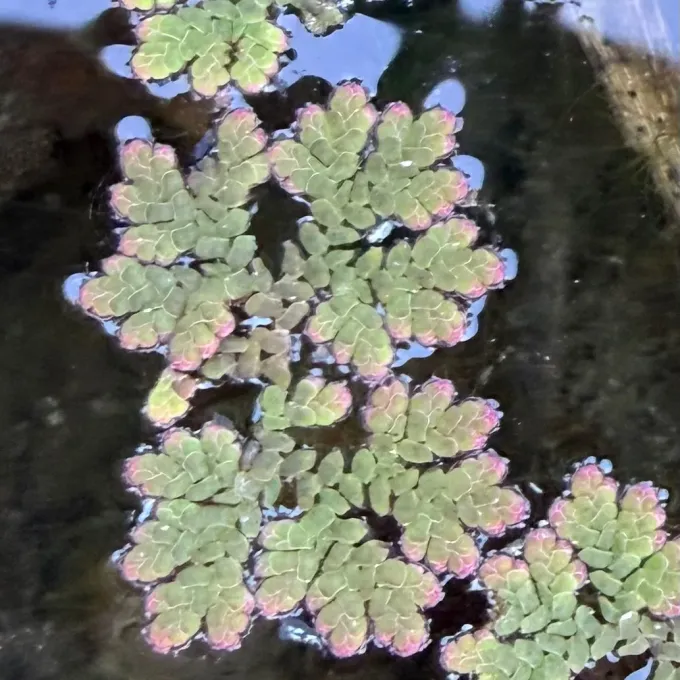
Azolla caroliniana is a floating aquatic fern belonging to the Salviniaceae family. It is renowned for its rapid vegetative reproduction, allowing it to colonize water surfaces quickly during the growing season.
The reproduction occurs through the fragmentation of the thallus. To initiate growth, small portions of healthy biomass are introduced into calm water bodies with optimal nutrient content.
Sowing does not involve soil preparation as this plant is an obligate hydrophyte. The primary requirement is a stable water surface free from strong turbulence that could disrupt the delicate structure of the fern.
A distinctive feature of this plant is its symbiotic relationship with the cyanobacterium Anabaena azollae. This symbiosis enables the fern to fix atmospheric nitrogen, turning it into a powerful natural nitrogen source.
Expansion is fastest during warmer months when ambient and water temperatures are conducive to metabolic activity. Once established, the fern creates a dense mat that blankets the water surface entirely.
Growing requirements
The plant thrives in freshwater environments that are rich in mineral nutrients. While it is adaptable, it prefers still or slow-moving water where it can accumulate necessary nutrients from the water column.
Ideal water temperatures for consistent growth range between 20 and 30 degrees Celsius. Exposure to temperatures below 5 degrees Celsius can cause significant damage or death to the population.
Water pH levels should be maintained in the range of 6.0 to 7.5. Fluctuations outside this range often result in reduced nitrogen-fixing efficiency and overall plant stress.
Phosphorus availability is the most critical limiting factor for biomass accumulation. Ensuring adequate phosphorus concentrations in the water is essential for maintaining a high rate of population turnover.
Moderate light exposure is preferred; however, extremely intense solar radiation requires partial shading to prevent surface overheating, which can harm the plant's delicate fronds.
Yield
Azolla caroliniana is exceptionally productive, with the capability to double its biomass in as little as three to five days under optimal conditions. This makes it an incredibly efficient resource for sustainable agriculture.
The harvested biomass serves as a high-protein supplement for livestock and poultry. Its nutritional profile, rich in amino acids and minerals, supports healthy growth in farm animals and fish stocks.
In rice cultivation, it is widely used as a green manure. By fixing nitrogen and suppressing weed growth through surface covering, it enhances soil fertility and reduces dependence on synthetic fertilizers.
Harvesting is typically performed using mechanical netting or surface-skimming tools. Once collected, the material can be processed as fresh feed or dried for long-term storage and pelletization.
Beyond its use as a fertilizer and feed, it contributes to water quality improvement by sequestering excess nutrients, which helps in preventing eutrophication in managed water systems.
Main diseases and pests
Insects, particularly certain species of aquatic moth larvae, are the primary pests that can significantly damage the plants. Regular monitoring is necessary to prevent outbreaks that could devastate the crop.
Diseases are often the result of overcrowding or poor water circulation. When the surface becomes too dense, it limits gas exchange, leading to physiological stress and potential fungal growth.
Competition from invasive species like duckweed can suppress the population. Management practices must include regular removal of competing flora to ensure the dominance of the Azolla crop.
The plant is highly sensitive to herbicides and industrial pollutants. Even minute concentrations of pesticides in runoff can lead to mass mortality and a collapse of the nitrogen-fixing cycle.
To ensure long-term success, practitioners should maintain rigorous sanitation protocols and rotate the stock periodically to keep the population vigorous and free from accumulated pathogens.