
Saint Lucia Exostema
Exostema sanctae-luciae
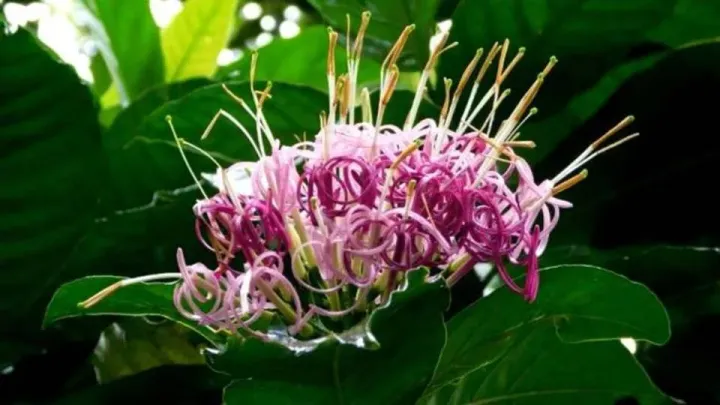
Description
Growing requirements
Saint Lucia Exostema (Exostema sanctae-luciae) is an evergreen tree belonging to the Rubiaceae family. This species is native to the Caribbean, particularly found on the island of Saint Lucia, where it thrives in humid tropical forest environments.
The plant requires a tropical climate with high humidity and consistent warm temperatures throughout the year. It performs best in deep, well-draining soils that provide ample nutrients and retain sufficient moisture to sustain the tree during less rainy periods.
Botanically, the tree is recognized for its leathery leaves and unique floral structure, which is typical of the coffee family (Rubiaceae). It grows as an understory or canopy tree, adapted to the specific light conditions provided by the forest ecosystem.
Historically, the species is valued for its bark, which contains alkaloids that possess medicinal properties. It was traditionally used by local populations as a substitute for cinchona bark in the treatment of feverish conditions, similar to malaria therapy.
Currently, the cultivation of this species is largely research-oriented. It serves as an important genetic resource for pharmaceutical studies, aimed at identifying compounds that can be synthesized or used in medical formulations.
Main diseases and pests
Environmental degradation and the destruction of natural habitats represent the most significant threats to the survival of the Saint Lucia Exostema in the wild. Habitat fragmentation limits the natural distribution of the species.
Fungal infections in the root zone are a primary concern during periods of excessive rainfall or poor soil drainage, which can lead to rapid decline in plant health and overall tree vigor.
Local insect populations can cause significant leaf damage, particularly in young saplings that lack the robust chemical defenses of fully mature trees. This necessitates careful monitoring in nursery conditions.
Effective management includes maintaining proper spacing in plantations to ensure good air circulation, which significantly reduces the humidity levels that favor the spread of leaf pathogens.
Conservation strategies emphasize the importance of maintaining soil health through natural mulching, which helps suppress soil-borne pathogens and promotes the development of beneficial mycorrhizal fungi associated with the roots.