
Exostema caribaeum
Exostema caribaeum
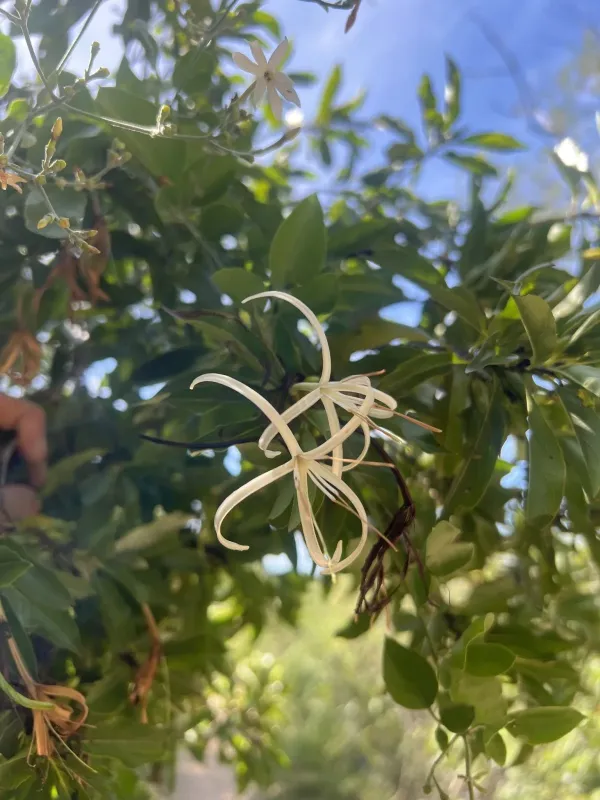
Description
Growing requirements
Exostema caribaeum is a notable member of the Rubiaceae family, widely distributed across Central America and the Caribbean islands. It typically grows as an evergreen shrub or a medium-sized tree in tropical forest ecosystems.
The plant is highly adapted to well-drained, lime-rich soils. It thrives in regions characterized by a distinct dry season, demonstrating remarkable resilience to drought conditions.
Sunlight exposure is a primary requirement for the healthy growth of this species. It is a heliophytic plant that requires full sun to develop its dense canopy and produce its characteristic flowers.
The species is extremely sensitive to cold and frost. It requires a tropical climate with high and stable annual temperatures to survive and perform physiological functions effectively.
Exostema caribaeum exhibits significant salt tolerance, making it an ideal choice for coastal environments where strong winds and saline soil conditions are common.
Harvesting
The most important part of this plant is its bitter bark, historically referred to as "Caribbean bark." It contains alkaloids that have long been valued in traditional medicine as a quinine substitute.
Harvesting involves the careful removal of bark strips from young, healthy branches. Sustainable practices are essential to prevent permanent damage to the vascular system of the tree.
Post-harvest, the bark is air-dried in specialized conditions to maintain the integrity of its alkaloids. Proper moisture control is crucial to ensure the quality of the raw material.
The timber of the tree is prized for its high density and strength. Although not produced on an industrial scale, it is locally sought after for crafting small, durable utility items.
Beyond its medicinal and utility value, the plant is increasingly recognized for its role in biodiversity and as a resilient species in tropical reforestation projects.