
Eurya japonica
Eurya japonica Thunb.
Description
Growing requirements
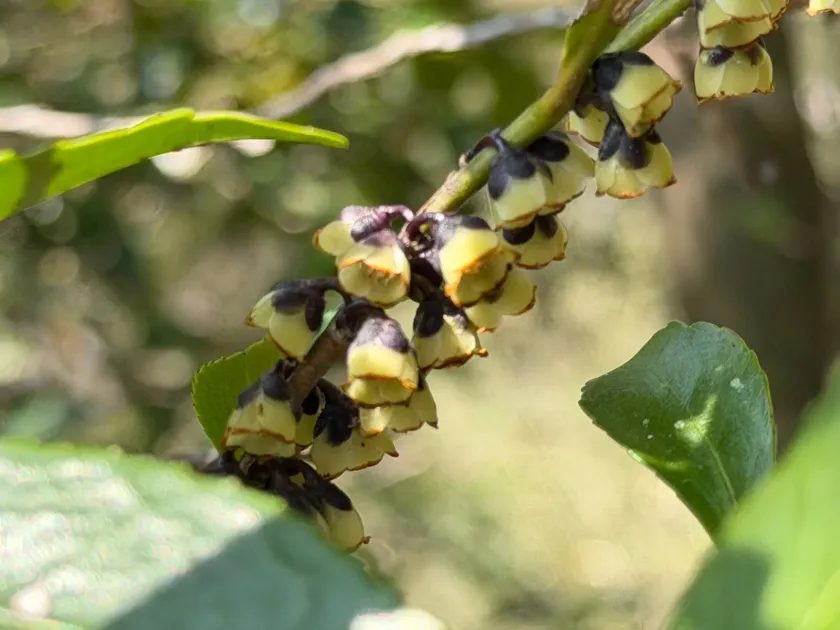
Eurya japonica is a distinctive evergreen shrub or small tree belonging to the Pentaphylacaceae family. It is widely recognized for its slow growth rate, glossy dark green foliage, and ability to thrive in the understory of dense forests, where it forms part of the natural evergreen vegetation.
The native habitat of this species includes East Asia, specifically Japan, Korea, and parts of China. In these regions, it grows naturally in moist, acidic forest soils, reflecting its high tolerance for shade and its specific requirements for environment humidity and shelter from harsh, dry winds.
Agronomically, the plant demands well-drained, acidic soil rich in organic matter. Proper soil management is critical; heavy clay soils must be amended to prevent root suffocation, and a consistent level of moisture is required to keep the foliage vibrant throughout the dormant winter months.
Climate requirements for this culture are primarily subtropical. It does not tolerate prolonged frost and is best suited for zones where the temperature does not drop significantly below freezing for extended periods. In colder climates, it is cultivated primarily in greenhouses or sheltered gardens.
The economic and ornamental uses of Eurya japonica are diverse. It is frequently employed in landscape architecture for creating dense, evergreen hedges and borders. Furthermore, in various Asian traditions, the branches hold significant symbolic value and are often used in ceremonial arrangements.
Main diseases and pests
The most common pests affecting this shrub are scale insects and spider mites, which can cause significant damage to the leaf tissue. Integrated pest management strategies, involving both biological control and targeted acaricides, are recommended to maintain plant vigor.
Pathological threats include various root rot diseases, often triggered by waterlogged soil conditions. Ensuring proper drainage and avoiding excessive irrigation is essential to prevent these fungal infections, which can be devastating to established specimens in the landscape.