
Eulaliopsis
Eulaliopsis
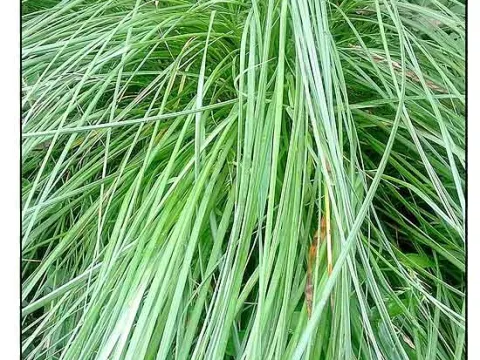
Eulaliopsis, specifically the species Eulaliopsis binata, is a perennial grass of the Poaceae family widely recognized for its fiber-producing properties.
What the section contains

Eulaliopsis
The plant is typically propagated through vegetative means, such as root division, which is the most reliable method for establishing large-scale plantations.
While seed sowing is possible, it requires meticulous management of moisture levels and seedbed preparation due to the small size of the seeds.
Successful establishment depends heavily on planting during the onset of the rainy season to allow the root system to become deeply anchored in the soil.
Developing a consistent stand requires careful site selection, avoiding areas prone to waterlogging that could impede the initial stages of root development.
This crop thrives in tropical and subtropical climates, preferring regions that experience distinct dry and rainy seasons for optimal growth cycles.
Eulaliopsis is highly valued for its ability to grow on marginal lands, including steep, rocky, and eroded terrains where traditional crops would fail.
Full sun exposure is a non-negotiable requirement, as the plant is highly intolerant to shading, which significantly reduces the biomass accumulation.
The soil should provide excellent drainage, as the plant is sensitive to stagnant water which encourages pathogens and limits nutrient uptake.
Although it is drought-tolerant, supplemental irrigation during the establishment phase can significantly improve survival rates and early vigor.
The yield of Eulaliopsis is determined by plantation age, soil fertility levels, and the intensity of management practices applied throughout the season.
Harvestable biomass accumulates effectively over the course of a full growing season, reaching its peak quantity just before the onset of senescence.
Mature plantations, usually ranging from three to seven years old, typically offer the highest and most consistent fiber yields for industrial processing.
Maintaining proper plant density is crucial, as overcrowding can lead to nutrient depletion, whereas sparse planting results in lower yields per hectare.
Regular maintenance, including weed control and strategic fertilization, is essential to sustain high productivity levels over the long life of the stand.
Disease outbreaks in Eulaliopsis are most common during periods of high humidity and heat, which facilitate the spread of various fungal leaf pathogens.
Stem-boring insects represent a significant biological threat, capable of damaging the structural integrity of the plant and reducing fiber quality.
Effective management requires a comprehensive integrated pest management approach that includes monitoring, biological controls, and timely cultural practices.
Weed infestation during the first year of growth is the primary threat to plantation establishment, requiring vigilant weeding to ensure the crop gains dominance.
Removing crop residues after the harvest cycle helps to break the life cycle of many pathogens and pests that overwinter or persist in the field debris.
Harvesting consists of cutting the grass stems, usually leaving a short stubble to facilitate the rapid regeneration of the plant for the following season.
Sun-drying the biomass immediately after cutting is a standard practice to reduce moisture content, preventing fungal rot during storage and transit.
Efficiency in harvest operations is largely achieved through the use of mechanical cutters adapted for fibrous grasses to minimize labor intensity.
The harvested material is bundled or baled for transport to pulp mills, where it is subjected to chemical or mechanical pulping to extract the fibers.
Ensuring the purity of the harvested biomass is essential for maintaining the standards required for high-quality paper and board manufacturing.